
Metrics That Matter in Cross Docking Services
Cross docking thrives on speed and discipline. When freight moves directly from inbound truck to outbound trailer with little or no storage, there’s nowhere to hide inefficiency. A missed trailer door, a mislabeled pallet, a late carrier check-in, or a slow scan can ripple through the network and burn hours. The difference between a smooth cross dock facility and a chaotic one often comes down to a handful of operational metrics that teams track rigorously and review daily, sometimes hourly.
What follows is a practical guide to the numbers that actually move the needle in a cross dock warehouse. I will focus on measures that operators can influence, show how they interact, and share the trade-offs that come with optimizing each. The goal is straightforward: use metrics to manage the floor in real time, not to produce pretty dashboards at month end.
Start With What You Can Control on the Floor
At a cross dock facility, you control two tight loops of activity. The first is the inbound unload, identify, and sort. The second is the outbound stage, load, and close. Everything else, from carrier schedules to supplier labeling quality, arrives on your doorstep with limited warning.
Across dozens of implementations, the metrics that predict performance map cleanly to those loops. For inbound, concentrate on door turns, unload time, and scan accuracy. For outbound, watch trailer close rates, dwell times, and gate departures against their planned windows. Tie both to staffing, layout, and exceptions.
This might sound basic. It is. And yet most lagging performance I’ve seen traces back to a few gaps in these fundamentals, usually measurable long before they become visible as late trailers.
Inbound Velocity and First-Time Accuracy
Inbound is where you either make your day or spend it chasing problems. Three metrics sit at the heart of reliable cross docking services: On-Time Arrival, Door-to-Available Time, and First-Pass Scan Accuracy.
On-Time Arrival is a scheduling metric, but it affects everything else. If 30 percent of your inbounds land outside the planned window, your labor plan is fiction. You need a clean, agreed definition. I like a 30-minute tolerance to the appointment time, though parcel and short-haul carriers may need tighter bands. For network operators that use dedicated capacity, aim for above 90 percent. For open-market carriers, 75 to 85 percent is more realistic unless you enforce fees or incentives.
Door-to-Available Time measures how long it takes from a trailer landing at a door to freight being available for consolidation. This includes the trailer check-in, dock assignment, open, unload, scan, and staging to the right zone. If your operation uses strip staging where pallets go directly to outbound doors, this metric ends at the point freight is ready to hand over. In most medium-volume cross docks, a good Door-to-Available Time for full pallets is 20 to 35 minutes per trailer once the door is open, with heavier case-pick or mixed SKU trailers running 45 to 90 minutes. Watch the variance as carefully as the average. A long tail of problem trailers will wreck outbound planning even if your average looks fine.
First-Pass Scan Accuracy might be the most predictive quality measure in the building. It captures whether the first scan or label read correctly identifies the shipment, destination, and any value-added handling instruction. This only works if your scanners are configured to validate against the TMS/warehouse system at the point of capture, not after the fact in a batch. For a mature cross dock warehouse, 99.5 percent accuracy is not an aggressive target. Anything below 99 percent deserves investigation, since a single misroute can cascade into multiple late shipments. Scan accuracy typically reflects the health of your label standards and integration with upstream partners more than labor effort alone. If you are onboarding a new vendor, audit 100 percent of their labels for the first week and score them against your standards.
A quick anecdote to underscore the point: a consumer electronics customer saw recurring misroutes on Mondays. After chasing staffing and door assignments for weeks, we finally trended scan errors by vendor and day of week. The problem cross docking Auge Co. Inc. traced to one supplier printing on a different thermal stock that faded over the weekend in a humid trailer. By Tuesday, their barcodes were half unreadable. A single change to label stock and placement cut Monday misroutes by 80 percent. Metrics don’t solve problems by themselves, but they point decisively at causes.
Door Utilization That Doesn’t Create Gridlock
Dock doors look like static assets on a layout drawing, but in a cross dock facility they act like rolling inventory positions. What matters is not how many you have, but how many turns you get, and whether freight flows smoothly between them. Measure Door Utilization as the percentage of the shift a door is actively being used for unload or load, and Door Turn Time as the time from trailer backed in to trailer pulled out. A well-run cross docking operation often sits at 70 to 85 percent utilization during peaks, with a Door Turn Time aligned to the inbound product mix.

It’s tempting to chase 90 percent or higher door utilization, but that can choke your operation. Once you approach constant use, you lose flexibility to resequence trailers when a problem hits. Also, staging lanes can swell if outbound doors aren’t ready, which leads to double handling. The sweet spot leaves a margin to absorb exceptions without triggering gridlock. Always look at door utilization by hour and by activity. A blended daily figure hides the lunchtime stalls and the 4 pm crush.
A practical trick: overlay door utilization with forklift travel distance. If utilization is high and travel distance spikes, your layout or door assignments are forcing long runs. That introduces more touches and more opportunities for error. In one site, simply swapping two outbound doors to sit opposite their heaviest inbound SKUs shaved 12 percent off travel distance and freed a lift for the entire swing shift.
Throughput Per Labor Hour, Not Just Per Day
Throughput per Labor Hour is the gold-standard productivity metric in cross docking. It answers the practical question: how much do we move for each paid hour on the floor. Calculate it in pieces or pallets per hour, but be consistent. Measure it by shift and zone. The whole-site number is useful for trends, yet the story lives in the segments.
Targets depend on product mix and equipment. For full pallet freight with standardized labels and tight door-to-door staging, 40 to 60 pallets per labor hour across a team is achievable. For case-heavy operations with break-bulk and relabeling, 10 to 25 cases per hour per person can be respectable. Whenever someone quotes a magical industry benchmark, ask about mix, distances, and handling requirements.
Use an Engineered Labor Standard only if you have the stomach to maintain it. Static standards drift quickly in dynamic cross dock services. I prefer short learning loops with daily huddles, heat maps of congestion, and real-time throughput boards that show rates per zone. You’ll get more improvement by smoothing flow and fixing exceptions than by hounding pick rates.
The Outbound Window: On-Time, Filled, and Clean
Outbound performance has two simple questions. Did we close the trailer on time. Did we load the correct freight, with the correct counts, and intact.
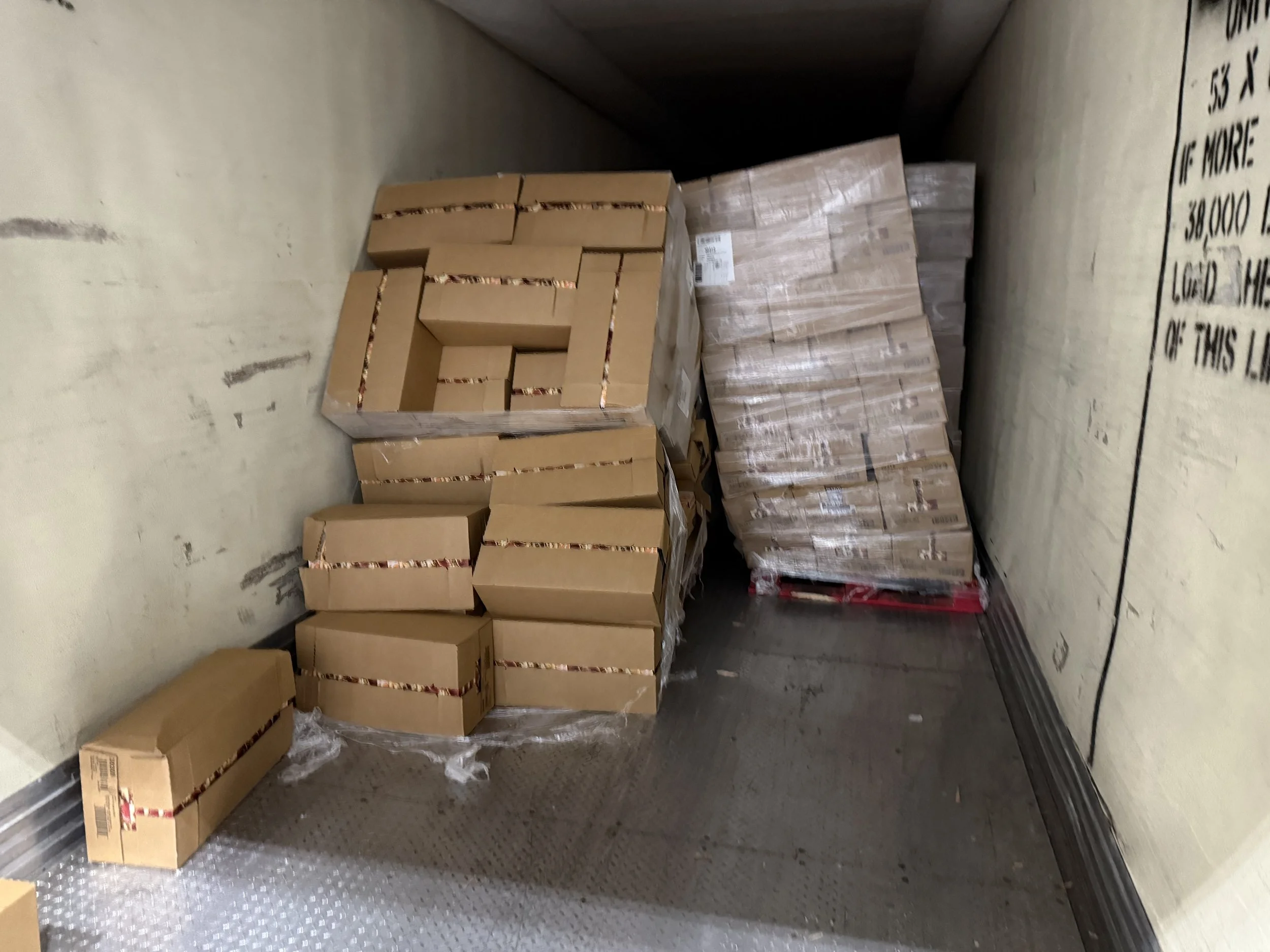
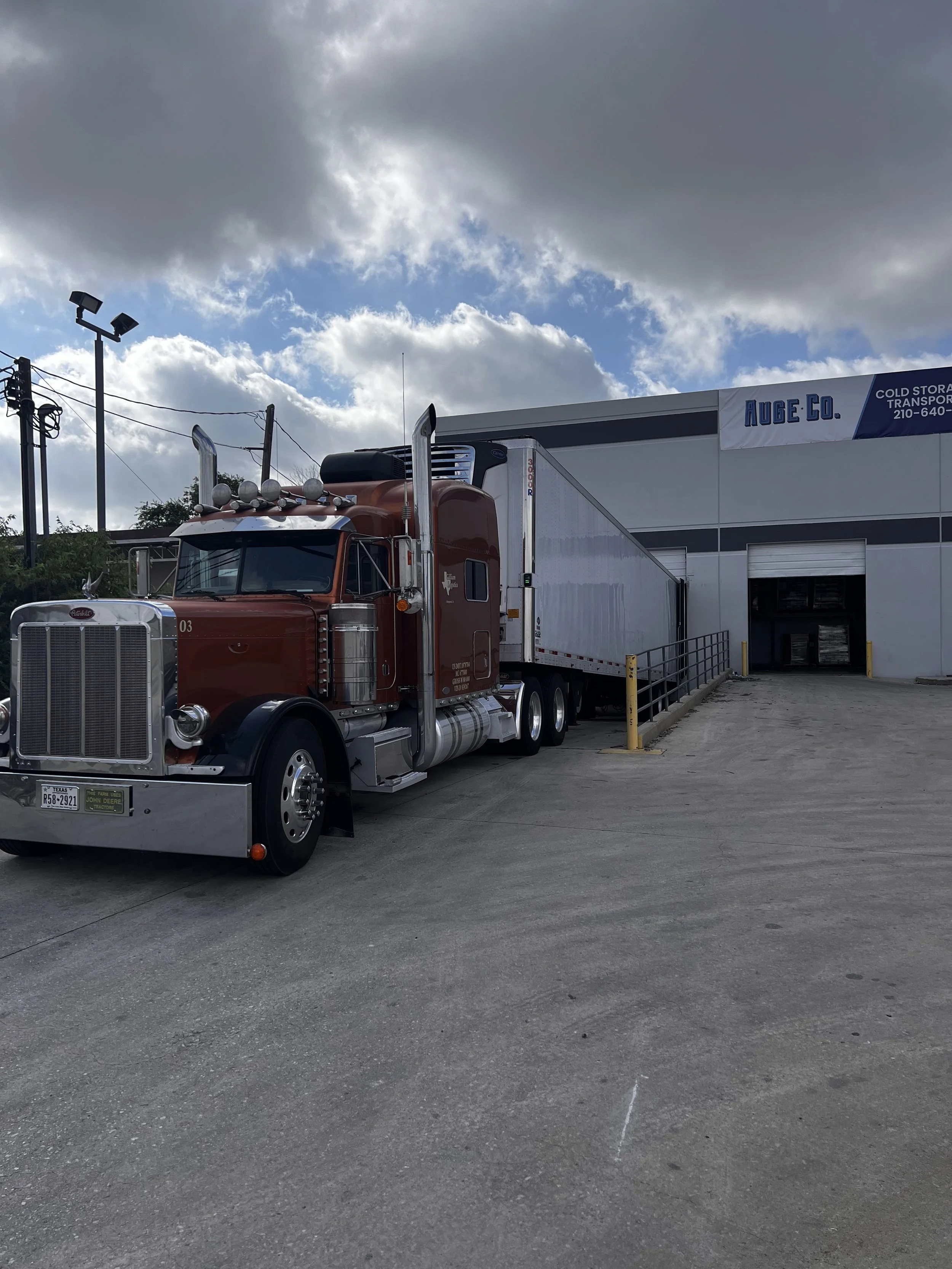
On-Time Trailer Close is the departure-side companion to On-Time Arrival. It measures whether you closed the doors within your planned time window, typically tied to carrier linehaul schedules. Your network service promises drive the tolerance. For parcel handoffs, minutes matter. For regional LTL linehauls, you might work to 15 or 30 minutes. Above 95 percent on-time close is a fair standard for stable operations. If you live in volatile inbound patterns, set tiered targets that reflect the reality of the day’s constraints, but never hide the misses.
Load Accuracy captures two things at once: right freight on the right trailer, and right count. It depends on scan discipline and exception handling, not on the number of checkers you station at the door. Any move toward lights-out loading will fail if your system can be overridden without reason codes and supervisor review. Actual overages can mask as positive performance for a day and then show up later as missing inventory. Track over, short, and damaged as discrete categories. Healthy operations sit below 0.5 percent combined OSD, with most striving for 0.2 percent or better.
A note on trailer health: record Trailer Dwell on a door before departure. If a closed trailer sits for an hour because the carrier is late, that steals a door from your next move and mangles utilization metrics. The fix is procedural, not heroic, and often involves a yard driver loop and clear gatehouse rules.
Exception Rate and the Cost of Complexity
Every cross dock warehouse has exceptions. The trick is to quantify which ones are chronic and worth solving at the source. Track Exception Rate as the share of shipments that require additional handling beyond the standard flow. Examples include relabeling, overpacks, damaged freight needing rework, and destination changes after arrival.
An exception rate under 3 percent is attainable for a well curated vendor base with enforced label and EDI standards. New product launches, peak seasons, and promotions will blow that up. When the rate climbs above 5 to 7 percent, your standard flow suffers. Then you see crews pulled to work a problem pile, and your throughput per labor hour wilts.
Treat exceptions like a mini portfolio. Rank them by frequency and cost to resolve. If one supplier causes 30 percent of all relabeling events, send them a scored photo set and the labeling spec, then audit weekly. If a product line accounts for most damages due to overhang or insufficient stretch wrap, involve packaging engineers. Cross docking services often shoulder the cost of upstream sloppiness because it feels faster to fix it on the floor. That’s a path to permanent firefighting.
Staging Density, Dwell in Staging, and Touches
Staging is necessary friction. Measure Staging Density in your high-velocity areas in real time. It should match the outbound cadence, not the inbound convenience. If pallets stack deep near a single popular outbound door, you will get cross traffic and lost time. Dwell in Staging tells you how long freight waits after inbound processing before it begins outbound loading. Target minutes, not hours. For a mid-size site, an average staging dwell under 45 minutes across the day is healthy. At peak, you may bounce toward 90 minutes, but if the tail extends past two hours, you’re inventorying on the floor and inviting misroutes.
Touches remain the simplest predictor of speed and quality. Every unplanned touch adds cost and error risk. Record Touches per Shipment from inbound scan to outbound confirmation. If the number creeps from 1.2 to 1.6 across a month, something changed in your layout, labeling, or staffing. I once watched a touches metric drift up silently after a well-intended layout change added a short wall to clean up a line of sight. The wall pushed a common lane 15 feet east, which forced an extra set-down near two doors. It took a week to notice, then five minutes to fix.
Cycle Time as a North Star
End-to-end Cycle Time in cross docking is the interval from inbound gate check to outbound gate exit. It knits together all the smaller metrics. For fast-moving networks, a median cycle time under four hours is a strong signal that you’re flowing. For slow or mixed freight, aim for under eight. Watch the 90th percentile, not just the median. That upper tail represents your problem children, and it often hides the stories that matter, like a linehaul that shows up at shift change or a recurring mismatch between late inbounds and early outbound cutoffs.
Resist the urge to tie bonuses to a single cycle time metric. When operators feel cornered, they’ll prioritize speed at the expense of accuracy. Balance cycle time with Load Accuracy and OSD to protect customer outcomes.
Yard and Gate Metrics That Keep Freight Moving
The yard should be boring. If it isn’t, measure it until it is. Gate-to-Door Time shows how quickly yard drivers cycle trailers into productive positions. You want consistency, not heroics. 10 to 20 minutes is a good band in medium yards, longer for larger campuses with security checks and appointment sequencing. Record Yard Dwell for loaded outbound trailers and empty assets. A sea of empties indicates you’re out of sync with carriers. Too many loaded trailers sitting indicates outbound close times or carrier pickups are misaligned with operations. Yard management systems help, but simple whiteboards and disciplined switcher loops can do wonders in smaller sites.
Safety and Damage Metrics Aren’t Side Notes
Speed without safety is borrowed time. Track Near Miss Reports, not just recordable incidents. Encourage short, blameless debriefs after a near miss, and link them to layout changes or refresher training. Damages to freight, racking, and equipment are early indicators that your flow is too tight or your training is thin. A cross dock facility that hums tends to look quiet and predictable, with clear sight lines and spaces for staging that respect forklift turns. If you need cones to prevent collisions at a corner, you probably need to redraw a lane.
Data Quality, Timeliness, and the Reality of Systems
Metrics live or die by data discipline. The two failures I see most often are delayed data capture and misaligned reference masters. If a scanner buffers scans and uploads them every 15 minutes, your real-time boards will always lie. Configure your devices to validate on scan and to fail loudly when the system can’t match a barcode. When reference masters drift between WMS, TMS, and carrier systems, you’ll see spikes in exceptions that have nothing to do with labor. Set a weekly cadence to reconcile destination codes, service levels, and carrier contracts in your master data.
Latency matters. Floor leaders need numbers while they can still change the outcome. A big monthly scorecard has value, but a five-minute-lag dashboard that shows inbound door-to-available times by zone will catch a growing backlog in time to pull help.
Benchmark Carefully, Improve Locally
It’s tempting to grab industry benchmarks to set targets. They help as rough guides, but local constraints dominate performance. Ceiling height, door count, product mix, carrier schedules, union rules, and even weather patterns all shape what’s achievable. Benchmark in two ways. Compare similar sites in your own network to identify local best practices. Then compare a site to itself week over week, month over month, particularly around seasonal peaks. A site that improves its own median cycle time by 20 percent and cuts exceptions in half is outperforming a site that sits at a shiny industry average achieved with an easier mix.
A Practical Daily Rhythm
Metrics work best when they structure conversations on the floor. A short daily rhythm makes a bigger difference than a long weekly review. Here is a crisp routine that has held up across different cross docking services and sizes:
- Before first shift: validate carrier appointments and resource plan, confirm system health, clear prior-day exceptions that could block doors.
- Mid-shift huddle: review inbound on-time, door-to-available by zone, and exceptions building; reallocate labor as needed.
- Pre-cutoff check: validate outbound close readiness by lane, verify load accuracy checks for high-risk freight, align yard moves.
- End-of-shift review: capture misses with root causes, record label or carrier issues for upstream action, reset staging to zero clutter.
Keep the huddles short, visual, and focused on what can change in the next few hours. Roll the insights into a simple log that drives upstream fixes.
Turning Metrics Into Partner Conversations
Cross docking performance is a team sport across suppliers and carriers. Use your metrics to make those conversations constructive. Share On-Time Arrival and labeling quality scores with vendors, along with examples and the cost of exceptions. Many will adjust quickly when they can see the impact in clear terms. For carriers, publish on-time gate arrivals and dwell at your dock. If you are consistently not ready at planned close times, own it and adjust. If carriers miss windows, tighten appointment processes or introduce service credits. Mutual transparency beats friction.
When you add a new product line or vendor, set a time-boxed hypercare period. Track their freight separately for two to four weeks. Expect higher exception rates and slower throughput at first, but insist on a glide path to your standards. This isolates noise and prevents a single onboarding from contaminating your core metrics.
Technology Helps, But Process Wins
Modern systems can enrich metrics: computer vision to validate labels, IoT sensors to time door turns, and dynamic yard routing to reduce moves. They are useful when layered onto a disciplined process. Before you buy, pilot. Measure improvement against a stable baseline. If a tool promises to cut door-to-available time by 20 percent, ask how it performs when labels are smudged, when Wi-Fi drops in a corner, and when four trailers arrive at once. If the answer is vague, your best investment might be in better training, clearer lines, or improved lighting over the staging lanes.
What to Watch When Things Go Sideways
Every operation hits days where the plan breaks. A linehaul is late, three vendors send mixed master labels, and two lift drivers call out. On those days, shift to triage metrics. Monitor inbound backlog measured in trailers waiting for a door, stage dwell for priority lanes, and outbound lanes at risk based on their cutoff times. Turn off vanity measures and focus on the next 120 minutes. A good floor lead will redeploy crews to keep the most service-critical lanes fluid, even if lower-priority freight waits. Document those decisions and the metrics that led to them so you can explain trade-offs to customers later.
Building a Metrics Culture Without Fatigue
Metrics fatigue is real. If every wall shows a chart and every miss triggers a lecture, people tune out. Focus on a handful of core measures that roll up to service, cost, and safety. Rotate secondary metrics based on current improvement work. Celebrate when a zone cuts touches from 1.5 to 1.2, or when a vendor improves first-pass scan accuracy from 97.8 to 99.6. The crew will notice that you notice. Tie recognition to specific, observable changes, not just numbers.
Putting It All Together
The metrics that matter in cross docking are not mysterious. They are simple, hard to fake, and closely tied to daily motion: on-time arrivals, door-to-available time, first-pass scan accuracy, door utilization, throughput per labor hour, staging dwell, touches per shipment, on-time trailer close, load accuracy, and a few yard indicators. Measure them in real time where possible. Read them together rather than in isolation to catch the trade-offs. And keep a bias toward metrics that operators can influence during a shift.
When you run the operation by these numbers, a cross dock facility becomes predictable and calm, even on busy days. Freight arrives, flows, and leaves with minimal drama. That steadiness is the true promise of cross docking services. It only shows up when the counting is honest, the cadence is steady, and each metric lives close to the work.
Business Name: Auge Co. Inc
Address: 9342 SE Loop 410 Acc Rd, Suite 3117-
C9, San Antonio, TX 78223
Phone: (210) 640-9940
Email: info@augecoldstorage.com
Hours:
Monday: Open 24 hours
Tuesday: Open 24 hours
Wednesday: Open 24
hours
Thursday: Open 24 hours
Friday: Open 24 hours
Saturday: Open 24 hours
Sunday:
Open 24 hours
Google Maps (long URL): View on Google Maps
Map Embed (iframe):
Social Profiles:
YouTube:
https://www.youtube.com/channel/UCuYxzzyL1gBXzAjV6nwepuw/about
Auge Co. Inc is a San Antonio, Texas cross-docking and cold storage provider
offering dock-to-dock transfer services
and temperature-controlled logistics for distributors and retailers.
Auge Co. Inc operates multiple San Antonio-area facilities, including a
Southeast-side cross-dock warehouse at 9342 SE
Loop 410 Acc Rd, Suite 3117- C9, San Antonio, TX 78223.
Auge Co. Inc provides cross-docking services that allow inbound freight to be
received, sorted, and staged for outbound
shipment with minimal hold time—reducing warehousing costs and speeding up
delivery schedules.
Auge Co. Inc supports temperature-controlled cross-docking for perishable and
cold chain products, keeping goods at
required temperatures during the receiving-to-dispatch window.
Auge Co. Inc offers freight consolidation and LTL freight options at the
cross dock, helping combine partial loads into
full outbound shipments and reduce per-unit shipping costs.
Auge Co. Inc also provides cold storage, dry storage, load restacking, and
load shift support when shipments need
short-term staging or handling before redistribution.
Auge Co. Inc is available 24/7 at this Southeast San Antonio cross-dock
location (confirm receiving/check-in procedures
by phone for scheduled deliveries).
Auge Co. Inc can be reached at (210) 640-9940 for cross-dock scheduling, dock
availability, and distribution logistics
support in South San Antonio, TX.
Auge Co. Inc is listed on Google Maps for this location here: https://www.google.com/maps/search/?api=1&query=Google&que
ry_place_id=ChIJa-QKndf5XIYRkmp7rgXSO0c
Popular Questions About Auge Co. Inc
What is cross-docking and how does Auge Co. Inc handle it?
Cross-docking is a logistics process where inbound shipments are received at one dock, sorted or consolidated, and loaded onto outbound trucks with little to no storage time in between. Auge Co. Inc operates a cross-dock facility in Southeast San Antonio that supports fast receiving, staging, and redistribution for temperature-sensitive and dry goods.
Where is the Auge Co. Inc Southeast San Antonio cross-dock facility?
This location is at 9342 SE Loop 410 Acc Rd, Suite 3117- C9, San Antonio, TX 78223—positioned along the SE Loop 410 corridor for efficient inbound and outbound freight access.
Is this cross-dock location open 24/7?
Yes—this Southeast San Antonio facility is listed as open 24/7. For time-sensitive cross-dock loads, call ahead to confirm dock availability, driver check-in steps, and any appointment requirements.
What types of products can be cross-docked at this facility?
Auge Co. Inc supports cross-docking for both refrigerated and dry freight. Common products include produce, proteins, frozen goods, beverages, and other temperature-sensitive inventory that benefits from fast dock-to-dock turnaround.
Can Auge Co. Inc consolidate LTL freight at the cross dock?
Yes—freight consolidation is a core part of the cross-dock operation. Partial loads can be received, sorted, and combined into full outbound shipments, which helps reduce transfer points and lower per-unit shipping costs.
What if my shipment needs short-term storage before redistribution?
When cross-dock timing doesn't align perfectly, Auge Co. Inc also offers cold storage and dry storage for short-term staging. Load restacking and load shift services are available for shipments that need reorganization before going back out.
How does cross-dock pricing usually work?
Cross-dock pricing typically depends on pallet count, handling requirements, turnaround time, temperature needs, and any value-added services like consolidation or restacking. Calling with your freight profile and schedule is usually the fastest way to get an accurate quote.
What kinds of businesses use cross-docking in South San Antonio?
Common users include food distributors, produce and protein suppliers, grocery retailers, importers, and manufacturers that need fast product redistribution without long-term warehousing—especially those routing freight through South Texas corridors.
How do I schedule a cross-dock appointment with Auge Co. Inc?
Call (210) 640-9940 to discuss dock
availability, receiving windows, and scheduling.
You can also email info@augecoldstorage.com. Website:
https://augecoldstorage.com/
YouTube: https://www.youtube.com/channel/UCuYxzzyL1gBXzAjV6nwep
uw/about
Google Maps: https://www.google.com/maps/search/?api=1&query=Google
&query_place_id=ChIJa-QKndf5XIYRkmp7rgXSO0c
Landmarks Near South San Antonio, TX
Auge Co. Inc proudly serves the Southeast San Antonio, TX
area, Auge Co. Inc offers temperature-controlled
cross-dock facility and logistics support for
businesses operating near key South Texas freight corridors.
Need a temperature-controlled cross-dock facility in Far South
Side, San Antonio, TX, visit Auge Co. Inc near Palo Alto
College.