Furnace Hose and Fitting Parts: High-Temp Material Guide
What furnace hose, tube, and fitting parts do, and why material choice matters
Hoses, tubes, and fittings in a furnace are the quiet workhorses that route gas, move condensate, balance combustion air, and connect pressure switches. They face heat, vibration, acidic condensate, and occasional freeze risk in unconditioned spaces. Choose the wrong compound, and you invite dry rot, swelling, hairline cracking, or leaks that lead to nuisance lockouts or worse. OEM-grade furnace parts are engineered for the exact fuel type, temperature band, and chemical exposure of the model. That means the wall thickness, durometer, barb geometry, and gasket profiles match the appliance’s pressure and flow specs. When I am diagnosing a gas furnace that short cycles or a condensing unit with a pressure switch that clicks but never proves, I check the hose runs first. Kinks, softening near heat sources, and brittle elbows are the culprits as often as an electrical glitch.
For modern systems, stick with rated materials and compatible fittings. Replace hose runs as assemblies when possible, especially if the unit uses formed elbows or molded reducers. When a repair calls for a small cut of tubing, confirm inner diameter and temperature rating, then secure with the correct clamp torque so the barb is fully seated without scoring the wall.
Furnace parts overview: where hoses and fittings intersect the rest of the system
A furnace is an ecosystem of mechanical and electrical components. Hose, tube, and fitting parts interface directly with pressure switches, inducer assemblies, condensate traps, and gas trains. In gas furnaces, silicone or EPDM tubes connect the inducer negative pressure to a pressure switch diaphragm, proving draft before ignition. On high efficiency units, PVC or CPVC drain lines carry acidic condensate from primary and secondary heat exchangers to a neutralizer or drain. Oil furnaces rely on copper or flexible fuel lines with flare fittings and gaskets to feed the burner pump. Electric furnaces do not have a gas train, but they still route condensate for add-on coils and need duct venting parts that maintain airtight connections.
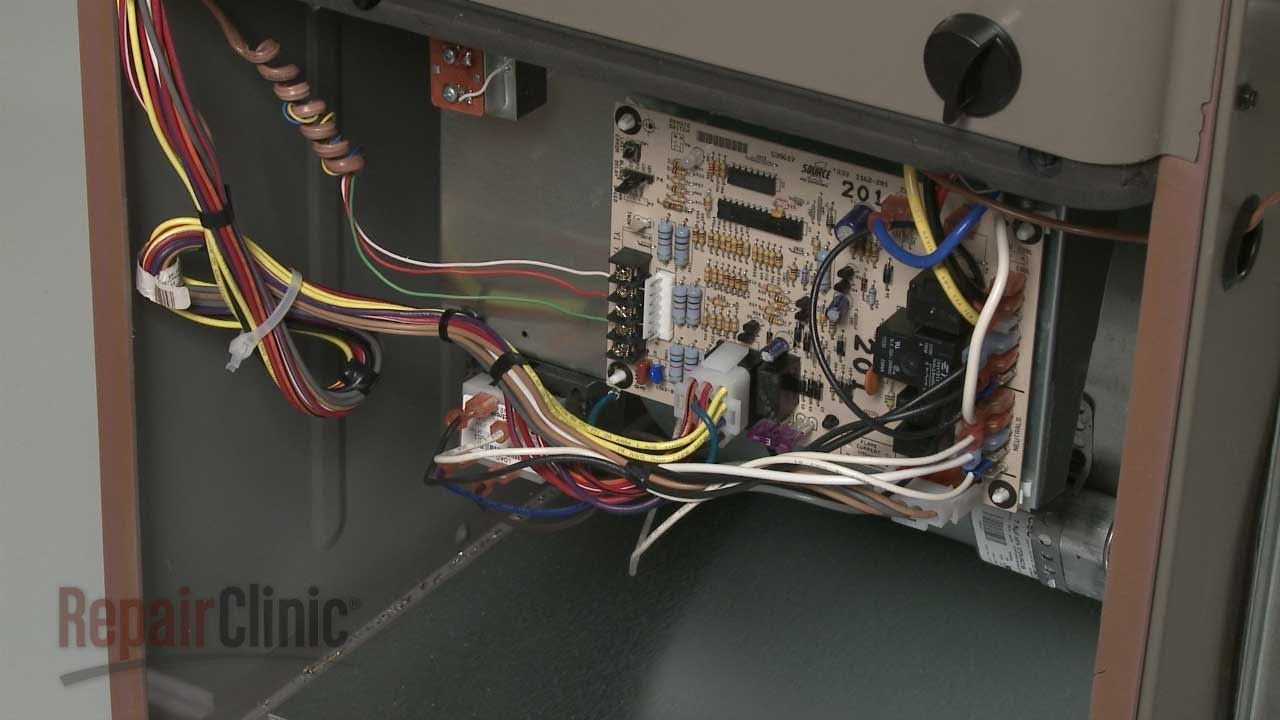
Upstream, ignition and flame safety depend on airtight combustion paths. Downstream, airflow depends on a clean blower and tight cabinet panels. When hoses fail, they often masquerade as other problems. A cracked pressure tube mimics a faulty ignition control board. A sagging condensate hose triggers rollout or pressure faults by flooding the collector box. This is why a thorough inspection spans related components like furnace igniter parts, furnace heating element parts for electric units, furnace motor parts and furnace blower wheel fan blade parts, furnace gasket seal parts around traps and panels, and even furnace fuse thermal fuse breaker parts that trip when motors bind due to water intrusion.
High-temp material guide: choosing the right hose, tube, and fitting
Not all elastomers and plastics are created equal. In my field notes, the right compound selection prevents callbacks as much as careful routing. For pressure switch tubing exposed to hot inducer housings, platinum-cured silicone, typically rated to around 400 F intermittent, resists hardening and maintains flexibility. EPDM handles ozone and heat well, but it can swell with certain oils. For condensate on condensing furnaces, vinyl will work in mild spots, but I prefer silicone or reinforced PVC that resists kinking. CPVC or polypropylene fittings stand up to acidic condensate and maintain shape near heat exchangers. When routing near burner compartments, avoid generic rubber that softens or off-gasses. If the hose must turn sharp corners, molded elbows or spiral-reinforced lines keep flow steady and mitigate collapse furnace latch parts under slight vacuum.
Fittings should match barb type and tubing hardness. A deep-barb nylon or brass fitting with the correct barb count and taper reduces the chance of blow-off under pressure pulses. Use stainless worm-drive clamps sparingly on soft silicone, and torque to manufacturer guidance. Over-tightening crushes the wall and creates a leak later. Compression fittings on condensate lines are common, but ensure the ferrule material matches the tubing. On oil lines, stick with proper flare fittings and rated furnace gasket seal parts where required. Threaded connections near the gas valve require thread sealant compatible with natural gas or LP and the metal type, never generic pipe dope that can migrate into a control valve.
Troubleshooting with hoses and fittings in mind
When a furnace will not start, many techs jump straight to the board, the igniter, or flame sensor. I start with the simple physics. A pressure switch that never closes, or closes but drops out during the ignition sequence, can point to restricted venting, a weak inducer, or a compromised pressure tube. Detach the tube at the switch, check for water, and blow gently through to confirm it is open. Any water means the condensate path is not draining, often due to a low loop in the hose or a missing trap. If the furnace short cycles after ignition, inspect for condensate backflow toward the collector box and look for a collapsed inner wall on a tight bend.
Noise during startup can be a whistling barb, a partially seated hose, or a micro-crack at the fitting. Under a flashlight, flex the tubing near the barb and look for fine lines. In cold garages, vinyl lines stiffen and leak at barbs after a freeze, showing faint white stress marks. Replace with a higher-grade silicone segment cut to the correct length. And remember that indirect symptoms show up in other subsystems: a waterlogged trap raises static pressure, which loads the blower and can trip a furnace capacitor parts weakness or a furnace fuse thermal fuse breaker parts link if the motor labors for too long.
Ignition, gas trains, and the small hoses that make them work
Ignition reliability is only as good as the proof signals and the draft integrity. The furnace igniter parts and furnace ignition controls parts get blamed for lockouts, but pressure switch tubing and gas valve reference lines are just as critical. Before replacing a hot surface igniter, verify that the pressure switch establishes and holds through the entire pre-purge. A softened tube can partially collapse as the inducer warms, dropping vacuum just long enough to abort. For gas trains, keep an eye on the furnace gas burner control valve parts, ensuring no sealants have migrated, and that the reference ports are clear. On two-stage valves, confirm that any hose-driven differential or vent is routed per the furnace manuals care guides literature parts, not rerouted during previous service.
When replacing ignition controls, lay out new tubing runs away from hot draft hoods and sharp metal edges. Use lined clamps on the furnace chassis parts to avoid cutting into soft silicone. Replace brittle grommets where tubes pass through furnace panel parts and furnace door parts, and reseal with appropriate gasket seal material. A small air leak at a panel can alter combustion airflow just enough to create intermittent flame sense issues that look like failed boards.
Condensate management: routing, traps, and fittings that do not bite back
Condensing furnaces need a properly primed trap and continuous downhill slope, ideally a quarter inch per foot. In tight basements, that slope gets compromised and the line pools. Whenever I see algae or granulated scale in a clear line, I pitch the run and add a cleanout tee and cap lid cover for quick service. Use UV-resistant tubing near windows. Keep the trap accessible, and use unions or barbed couplers that allow full removal for cleaning. If the condensate drains into a pump, size the hose to the pump barb, not the furnace outlet, and adapt with a molded reducer if necessary to avoid stretched tubing that will loosen later.
A neutralizer kit adds restriction. Account for that in hose length and slope, and secure with furnace bracket flange parts so the assembly does not sag. If you inherit a furnace with vinyl tied into copper with a makeshift clamp, replace with rated fittings, and if a floor drain is far, add a proper pump and check valve. Routine cleaning with approved furnace cleaner deodorizer parts helps keep traps clear without attacking the hose material. Any chemical you put in the trap should list compatibility with silicone and PVC.
Airflow, cabinet integrity, and the small parts that keep hoses safe
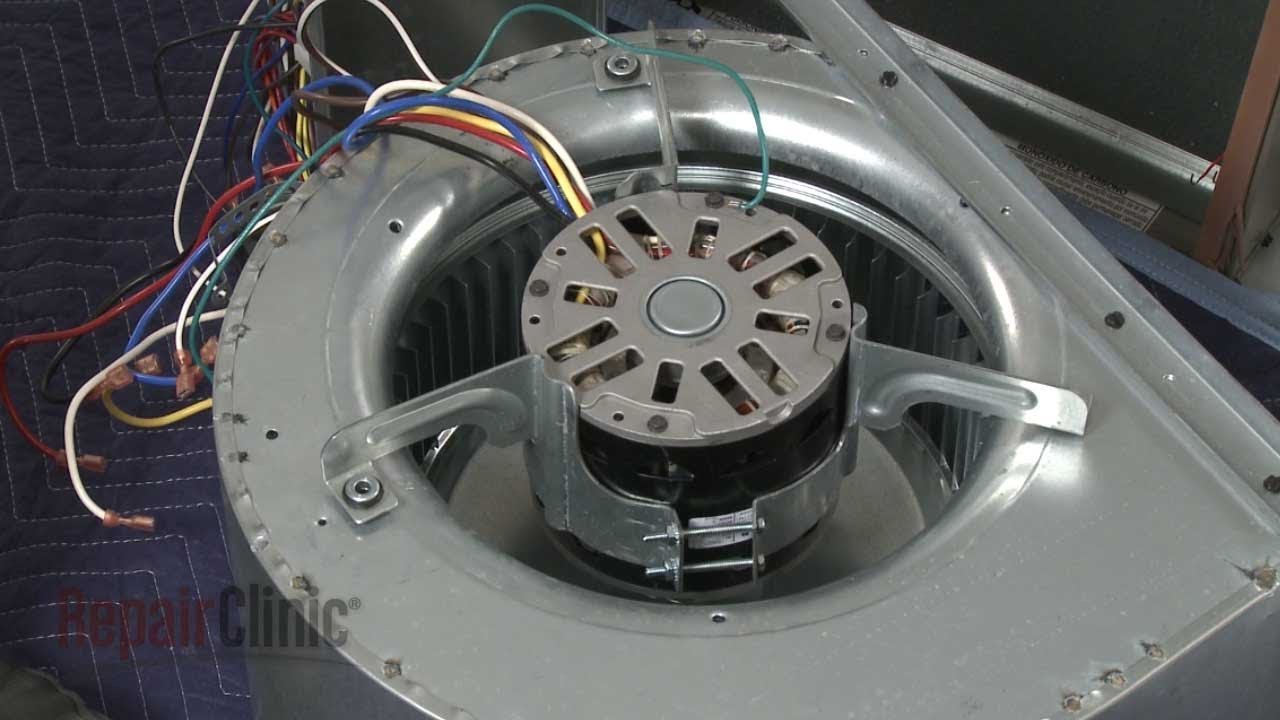
Air leaks raise static pressure and can push moisture toward sensitive areas. After any hose replacement, reattach furnace hinge parts, furnace latch parts, and furnace grille kickplate parts properly. A missing screw in furnace fastener parts can rattle loose a furnace capacitor parts hose that was carefully routed. Sharp cabinet edges near hose runs should get a grommet or protective sleeve. If the blower housing vibrates, check furnace bearing parts and furnace belt parts on older belt drives, and confirm that the furnace blower wheel fan blade parts are balanced. Excess vibration travels to fittings and can walk a clamp off a barb over a season.
While you are inside the cabinet, consider the health of furnace insulation parts, which can shed and plug condensate traps. If you find fibers in a trap, reface the cut edges with approved furnace adhesive parts. Replace missing panel screws with correct thread and length to avoid puncturing hidden hoses behind the furnace panel parts. Little details prevent big callbacks.
When hoses meet electronics: boards, timers, and protection devices
Moisture and electronics do not mix. A slow leak at a condensate elbow can drip onto furnace circuit board timer parts and set up intermittent failures that defy quick diagnosis. If your flame rectification is perfect yet the board resets randomly, scan for water trails and mineral deposits near harnesses and standoffs. Replace suspect hoses, add a drip shield if the OEM provides one, and reroute lines with soft arcs, not tight bends. Overheated wiring near a hot inducer can also soften nearby tubing, so keep harnesses and hoses separated with clips on the furnace chassis parts.
Protection devices give hints too. A tripped thermal cutoff in furnace fuse thermal fuse breaker parts or a swollen furnace capacitor parts can indicate a blower stressed by damp filters or a condensate backup. The filter itself matters. Match furnace filter parts to the blower’s static pressure capability. A too-restrictive filter raises cabinet pressure and encourages water to seek unintended paths. Good hose routing becomes a band-aid if airflow is mismanaged.
Brand-specific quirks and part sourcing
Carrier, Trane, Lennox, Rheem, and Goodman all route pressure and condensate a little differently. Some brands tuck traps deep in the collector box, others use external molded assemblies. Follow the diagrams closely, including hose ID and length. A half inch difference can change how a trap primes. In older furnaces from Coleman, York, or ICP families, you may encounter brittle original tubing that looks fine but collapses under mild vacuum. Replace those proactively during blower or igniter service. Also watch for proprietary couplers or check valves on certain high efficiency models. Substituting generic fittings sometimes creates just enough restriction to trigger a pressure fault at high fire but not low fire, leading to puzzling stage-specific lockouts.
When sourcing, prioritize OEM or high-quality equivalents with published ratings. Product pages that identify furnace hose tube fitting parts by model and part number reduce guesswork and keep you within code. If you also need related items, such as furnace gasket seal parts, furnace ignition controls parts, or furnace circuit board timer parts, get them from the same supplier to ensure compatibility and to simplify returns if the diagnostic path changes after installation.
Quick reference: where to get the right hoses, fittings, and related parts
If you have the model number, you can filter by exact assemblies and compatible materials. For a broad catalog that spans hoses, fittings, and adjacent components like capacitors and boards, you can find parts here using a model-driven search. When I am chasing a pressure switch fault and want matching tubing and board hardware in one order, I often browse a consolidated furnace parts list that shows assemblies by symptom and part family. If your repair scope widens, it pays to pick a source with detailed diagrams and manuals, not just generic hose lengths.
For specialized needs, such as upgraded capacitors or a precise OEM ignition harness, dedicated category pages make it easier to avoid mismatches. That is especially helpful when a furnace has been partially retrofitted, and you want the correct mating fittings for the current configuration.
Repair Clinic furnace parts list
click here for furnace hoses and fittings
furnace capacitors, order by rating
control boards and timers for common models
Maintenance practices that extend hose and fitting life
Small habits keep hose material healthy. Keep filters fresh to reduce condensate carryover. Verify trap prime at startup each season, and flush with a compatible cleaner. Inspect pressure tubes at the start and end of heating season, replacing any that feel glassy or chalky. Confirm that panel gaskets seal and that the cabinet static pressure sits within design, usually checked at the blower door test port. If your furnace sits in an attic or garage with winter lows, insulate condensate runs or route them through conditioned space to avoid freezing. Where freezing is unavoidable, add heat trace rated for plastic, applied per the manufacturer so the tubing does not soften or deform.
Finally, photograph your routing before disassembly. Re-creating factory arcs and clamp points prevents subtle pooling or kinks that might not show up until a hard cold snap. Keep a small stock of common sizes, typically 3/16 and 1/4 inch ID silicone for pressure switches and 3/4 inch for condensate, along with a handful of rated barbed elbows, tees, and caps. Those pieces solve a surprising share of no-heat calls in under 30 minutes.

FAQs: fast answers about furnace hoses, tubes, and fittings
The questions below focus on the problems homeowners and techs run into most with hose, tube, and fitting parts. Each answer assumes a typical residential forced-air furnace, gas or high efficiency unless noted.
Why is my furnace not heating even though the inducer runs?
Often the pressure switch never proves or drops out during the cycle. Check the pressure switch tubing for cracks, soft spots near heat, water in the line, or a kink. Verify the condensate trap is primed and draining. If the tubing and fittings are sound and properly routed, then test the inducer and ignition controls. A small leak at a barb or panel gasket can mimic an ignition control failure.
How do I pick the right hose material for a condensing furnace?
Use silicone or reinforced PVC rated for condensate and temperature, with molded elbows where tight bends are needed. Ensure continuous slope to the drain, no low loops, and fittings compatible with the hose hardness. Avoid generic vinyl near hot sections, and keep hoses away from sharp edges with lined clamps and grommets.
What causes a furnace to short cycle a minute after ignition?
Condensate backing up into the collector box is a common cause. Look for a sagging drain hose, blocked trap, or an undersized run into the pump. Also inspect pressure switch tubing that collapses as the inducer heats up. Less commonly, a faulty flame sensor or board is to blame, but rule out hose and fitting issues first.
Can I use any clamp on silicone tubing?
Use stainless clamps with smooth inner bands and torque lightly to the manufacturer’s guidance. Over-tightening cuts into soft silicone and creates future leaks. On some low-pressure lines, a properly sized barb and hose may not need a clamp if the OEM does not specify one, but follow the manual.

Where can I find manuals and part numbers for my model?
The model plate inside the cabinet or on the blower door furnace bearing parts lists the model and serial. With that, you can pull furnace manuals care guides literature parts diagrams and exact part numbers, including the specified hose inner diameter, barb sizes, and routing schematics. Many parts catalogs let you filter by model to avoid guesswork.
Furnace Parts – Reliable OEM Solutions for Common Problems
Hoses, tubes, and fittings are inexpensive compared with boards or motors, yet they decide whether the furnace lights, proves, and drains without drama. Treat them as critical components, not afterthoughts. Use the right high-temp materials, protect runs from heat and vibration, and install fittings that match the tubing’s hardness and size. Tie the work back to adjacent systems: confirm the blower is balanced, the filter is appropriate for furnace curtain accordian parts the static pressure, panel gaskets seal, and the condensate path stays clean and sloped. With those fundamentals in place, ignition components, control valves, and safety circuits can do their job consistently through the coldest nights.
When it is time to buy, stick with model-specific furnace hose tube fitting parts and reputable sources. Matching parts by part number and published ratings saves time on the call and prevents repeat trips. If your diagnosis expands to a weak capacitor or a moisture-damaged board, source companion items like furnace capacitor parts and furnace circuit board timer parts from the same catalog so the kit fits together the first time. That is the quiet path to reliable heat and happy customers.