The Ultimate Guide to Furnace Igniter Parts: Selection, Installation, and Safety
A furnace that will not light on a cold morning usually points to one component first, the igniter. Whether you have a gas furnace with a hot surface igniter or a spark ignition system, the igniter is the spark plug of your heating season. Selecting the correct furnace igniter parts, installing them without damaging the new element, and understanding the safety implications around combustion makes the difference between a quick fix and a costly callback. I have replaced dozens of igniters across brands like Carrier, Trane, Goodman, Lennox, and Rheem, and the pattern is consistent, the right part and careful handling prevent 90 percent of repeat failures.
What we mean by furnace igniter parts and why OEM matters
Furnace igniter parts include the hot surface igniter, spark electrode, flame rod when combined in the same assembly, wiring harnesses, gaskets where the igniter mounts, and related ignition controls that energize and monitor the light-off sequence. On electric furnaces and air handlers, there is no gas ignition, but the equivalent critical component is the furnace heating element. For oil appliances, an ignition transformer and electrodes handle the job. Each system has its own ignition ecosystem, and misidentifying one component can lead you down a rabbit hole.
Original equipment manufacturer parts match resistance values, ceramic length, mounting holes, connector style, and operating sequence. An OEM igniter often runs at 40 to 90 ohms when cold, depending on design. Substituting an aftermarket part with a different resistance can pull the wrong current from the control board, shortening the life of the board or the igniter. I have seen universal igniters work for a week, then crack, leaving the homeowner without heat on a holiday. OEM furnace parts also avoid subtle issues like a bracket flange that does not align, a gasket seal that leaks combustion air, or a wire lead that sits too close to a hot furnace panel.
If you need a fast cross-reference, you can browse a complete Repair Clinic furnace parts list and filter by model to ensure you land on the correct ignition components. You can find parts here: replacement parts at Repair Clinic.
Furnace igniter parts overview, from gas to electric systems
On gas furnaces, most homes use a hot surface igniter made of silicon carbide or silicon nitride. Silicon carbide looks like a flat, fragile stick that glows orange to about 2,500 degrees Fahrenheit to light the gas burner. Silicon nitride is tougher, often in a “finger” style. Some older furnaces use intermittent spark ignition with a spark electrode that arcs to a ground to ignite the gas at the burner. Both styles rely on an ignition control module or the main furnace circuit board. That control looks for flame via a flame sensor, a small stainless rod that measures microamps through the flame. If the sensor is dirty or the circuit board timer parameters are wrong, the furnace will light, then shut down, or short cycle.

Electric furnaces do not have gas burners or igniters. They use heating elements, essentially high-resistance coils, energized in stages by sequencers or relays. Here, the analog to the gas igniter is the furnace heating element and its thermal fuse or breaker protection. A failed thermal fuse, an open limit, or a cooked capacitor on a blower motor can cause “electric furnace not heating” while the fan still runs. Oil systems add different furnace ignition controls parts, typically an ignition transformer and electrodes that arc to light the oil spray. No matter the fuel, the ignition parts sit close to heat, so vibration, age, and contamination shorten life.
When replacing any of these items, look around the assembly. Furnace gasket seal parts around igniters, furnace hose tube fitting parts routing gas or combustion air, and furnace duct venting parts all play a role in safe ignition. On older units, I often find brittle insulation and cracked wire terminations that can arc against the chassis. Inspect the furnace door parts and interlock switch too, since the control will not fire if that switch is open.
Common furnace symptoms that point to the igniter or ignition controls
If a furnace is not heating yet the inducer motor starts and the control board flashes a code, odds are you are in the ignition sequence. Repeated clicking without ignition suggests a spark ignition issue or no gas. Glow without flame points toward gas valve control, low gas pressure, or a dirty flame sensor. No glow at all, with the inducer and blower behaving normally, often means a failed hot surface igniter or an open circuit between the furnace circuit board parts and the igniter.
Noise and vibration sometimes get misdiagnosed as blower problems when the real culprit is a delayed ignition that causes a whoosh at light-off. That delay can come from weak furnace gas burner control valve parts or misaligned burner orifices. A cracked igniter can still glow but may not sit in the flame path. A quick meter check of ignition controls and continuity beats guessing. With the power off and the igniter cool, measure resistance at the igniter leads. A reading near infinite suggests a broken element.
Do not ignore upstream causes. A plugged filter can lower airflow, causing limits to open and the furnace to cycle off before the ignition sequence completes. Furnace filter parts are cheap compared to cracked heat exchangers caused by heat stress. Blower issues, like a failing motor capacitor on PSC motors, can also lead to high-limit trips. If you suspect a capacitor, verify microfarads against nameplate, and replace with the same rating from furnace capacitor parts stock. When a furnace fuse blows on the low-voltage circuit, inspect wiring at the thermostat, furnace control cable parts, and any added humidifier parts or air handler parts that may have shorted.

Igniter selection and installation, with safety front and center
A hot surface igniter is incredibly fragile. Hold the ceramic base, never the element, and avoid touching the silicon carbide or nitride with bare fingers. Oil from skin creates hot spots and can shorten life. Match the part number on the old igniter or use the model number of the furnace to select the correct item. On many brands, there are multiple igniter shapes within the same series year. The mounting bracket, standoff length, and connector all matter, as does the orientation relative to the gas burner flame.
If you need ignition components and controls together, a curated selection of furnace igniter parts is helpful. For example, see click here for furnace igniters or, if the problem is on the logic side, review furnace circuit board and timer parts. For gas delivery issues intertwined with ignition, match the valve exactly via Carrier furnace gas control valve parts by model number.
When installing, cut power to the furnace at the breaker and shut off gas at the service valve. Remove the furnace panel parts to access the burner compartment. Note the igniter’s position before removal, a quick photo helps. Swap the mounting hardware and any furnace bracket flange parts or gasket seal. Route the wire harness exactly as the original to avoid contact with the heat exchanger or blower wheel. After installation, restore power and gas, then observe a complete ignition cycle. Verify flame current on systems that expose a test port, typically 2 to 6 microamps DC. If your meter does not support microamps, at least clean the flame sensor with a fine abrasive pad to restore reliable flame rectification.
Blower, filters, and electrical protections that affect ignition success
An ignition fix that ignores airflow and electrical supply will not hold. Overheating because of low airflow will repeatedly trip limits, then lock out ignition attempts. I advise checking the blower and filter at the same visit. A blower that struggles to ramp up can signal a failing capacitor or bearings. For PSC blowers, capacitors age out every 5 to 10 years. If bearings are noisy or the wheel is caked in dust, the motor draws more current. Replacement options live under furnace motor parts and furnace blower wheel fan blade parts. Clean the wheel and housing before reinstalling. Balance matters, a wobbly wheel can crack an igniter due to vibration.
Replace the filter with the correct size and MERV rating. An excessively restrictive filter can starve airflow and lead to high-limit trips. When in doubt, choose a MERV 8 to 11 filter that fits the rack snugly. Inspect the filter door gasket and furnace latch parts. A cracked door or missing gasket can pull in unfiltered air that coats the igniter and flame sensor in a season.
The low-voltage side needs protection too. If you find a blown 3- to 5-amp blade fuse on the control board, look for chafed thermostat wires, shorted humidifier leads, or a miswired safety switch. This is where stocking furnace fuse thermal fuse breaker parts avoids extra trips. While you are in the compartment, check the condition of furnace insulation parts around the burner area and any furnace hinge parts and handle parts that get used often. A clean, tight compartment keeps combustion stable during ignition.
Gas burner and control valve issues that masquerade as igniter failures
I have been called to replace an igniter, only to find the gas valve receiving no call because the pressure switch failed or the condensate trap was clogged. On high-efficiency units, restricted furnace duct venting parts, typically the intake or exhaust PVC, can prevent the pressure switch from closing. The result looks like an ignition problem, but it is an airflow or drainage issue. Clearing the trap and confirming the inducer draws the proper negative pressure is step one before condemning an igniter.
If the igniter glows yet the burners do not light, check for 24 volts at the gas valve during the call for heat. No voltage suggests the control board is inhibiting ignition due to safety logic. Voltage present, no light-off indicates valve issues or insufficient gas pressure. Gas valves are not a DIY part unless you are licensed, because leak checks and proper pipe dope or thread seal procedures matter. When replacement is warranted, match by brand, model, and capacity. Pay attention to the direction of flow and manifold pressure settings. A mismatched valve can cause delayed ignition or rollout trips that will crack a furnace door or damage grille kickplate parts over time.
Boards, ignition controls, and the little parts that keep signals clean
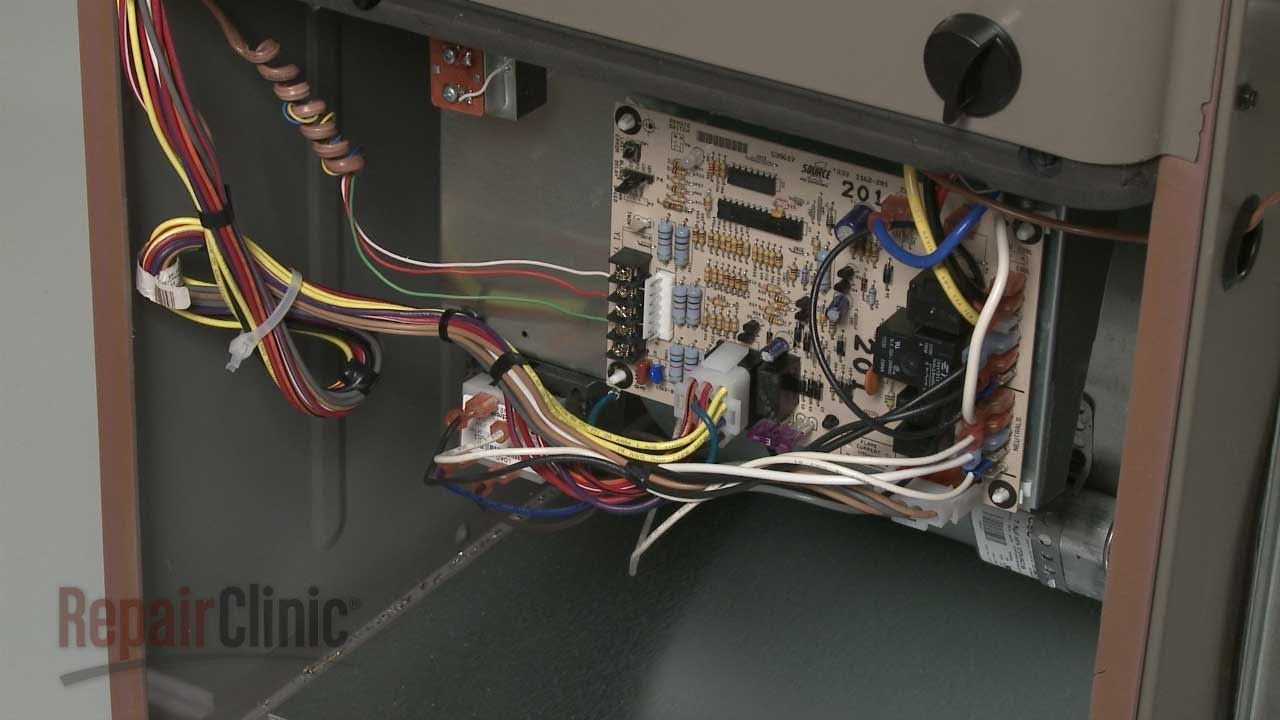
When the control board fails to send power to the igniter or misreads flame, the furnace can lock out. Visual inspection helps, look for burnt traces, swollen capacitors on the board, or moisture corrosion near the connectors. A board that has suffered from repeated short cycles may still run the blower but fail at timing the ignition sequence. Replacement boards must match the exact control logic. Universal boards can work, yet they require careful setup of dip switches and timings. If you prefer OEM logic to avoid guesswork, shop for the specific furnace circuit board timer parts matched to your model.
Small, easily overlooked parts matter too. Furnace gasket seal parts around the igniter and burners stop cold air from diluting the flame. Furnace fastener parts keep the igniter properly aligned. Even a slightly loose bracket can move the igniter tip out of the flame envelope, causing flame sense failures. If you find debris and odors inside the burner vestibule, a quick pass with furnace cleaner deodorizer parts can improve air quality and reduce residue that settles on the igniter.
Maintenance that protects the igniter, the flame sensor, and the board
An igniter lives longer in a clean, correctly tuned furnace. Annual service that includes cleaning the flame sensor with Scotch-Brite, vacuuming the burner compartment, inspecting the blower wheel, and replacing the filter prevents soot and dust from coating the ignition assembly. Some homeowners ask me if they should proactively replace igniters. On systems where the igniter is easy to access and model history shows failure around year 7 to 10, I suggest keeping a spare on the shelf, especially for rural homes. For systems that are compounded with hard starts and frequent power outages, adding surge protection ahead of the control board helps.
Manuals and exploded diagrams keep you from guessing. If you do not have your book, download furnace manuals care Lennox furnace parts guides literature parts for your exact model. Diagrams show igniter location, part numbers, and torque for mounting screws. It also helps identify nearby items like furnace panel parts and control cable routing that can pinch during reassembly.
Brand-specific notes worth knowing
While igniters share the same job, each brand likes its own details. Goodman and Amana often use durable silicon nitride igniters that can be sensitive to overvoltage. Carrier and Bryant systems frequently combine flame sense logic tightly with the control board, so a weak ground can look like a bad igniter. Lennox sometimes routes igniter leads close to hot spots, so routing clips must go back exactly as found. Trane and American Standard commonly position the igniter deep in the burner assembly, which tempts techs to touch the element during installation. Rheem and Ruud spark ignition units benefit from meticulous electrode gap settings, and a worn spark wire will cause intermittent light-off on humid days.
If you need brand-matched options, browsing a curated page speeds the search. For example, see a focused selection of Trane furnace repair parts or use the main furnace igniter section linked above for other brands. Cross-check the model and serial number before ordering to avoid connector mismatches.
Frequently asked questions about furnace igniters and ignition parts
Why is my furnace not heating even though I hear the inducer running?
The inducer starting means the control entered pre-ignition. If the hot surface igniter does not glow, test for voltage at the igniter leads after the pre-purge. No voltage points to a control board or safety interlock. Voltage present but no glow indicates a failed igniter. If it glows yet no flame, verify 24 volts at the gas valve and confirm gas supply. Also check the flame sensor for contamination, since a dirty sensor can shut the system down seconds after light-off.
How do I replace the igniter in a furnace safely?
Cut power and gas, remove the access panel, and photograph the igniter’s position. Handle only the ceramic base, not the element. Transfer any furnace bracket flange parts and gasket seals from the old part if the new kit requires it. Route wires away from hot surfaces and spinning blower wheels. After reassembly, restore power and gas and observe ignition. If available, verify flame current. Never force a bracket to fit, order the correct OEM replacement.
Why won’t my furnace stay lit after the igniter glows?
Assuming the burners light and then drop out, suspect flame sensing. Clean the flame sensor, verify ground continuity from the burner to the control board, and inspect the furnace circuit board parts for proper flame rectification settings. Poor gas pressure, cracked burners, or misaligned igniter tips can also cause flame to lift off, which the control reads as lost flame.
What furnace parts should I check if the igniter keeps failing?
Look for high static pressure from a restrictive filter or dirty coil, which overheats the igniter area. Confirm the blower motor capacitor is within specs so airflow is adequate. Check for vibration from an unbalanced furnace blower wheel fan blade. Make sure combustion air pathways and furnace duct venting parts are clear. A board that overdrives the igniter due to wrong timing can also shorten lifespan, so compare the part number and programming to the manual.
Where can I find furnace manuals and part numbers to match my igniter?
Use the model number from the furnace data plate. Manuals and exploded views are often available online as furnace manuals care guides literature parts. These diagrams list the exact igniter part number, mounting hardware, and related ignition controls, which helps avoid risky universal substitutions.
Furnace Parts, Igniter Focused – Reliable OEM Solutions for Common Problems
The igniter is small, but it sits at the center of your furnace’s reliability. Matching resistance, connector type, and mounting style with an OEM part, installing with clean hands and gentle handling, and confirming flame signal after startup prevents most callbacks. Zoom out during any igniter repair. Verify filter condition, blower health, gas delivery, venting, and the state of the control board. Addressing those neighboring issues extends the life of the new igniter and stabilizes your heat all winter.
When you are ready to purchase, keep the model number handy and compare photos and specs to your old part. For a broad inventory of furnace igniter parts and companion items like capacitors, fuses, circuit boards, and gas valves, you can click here for furnace capacitors and use the earlier links to the ignition and control sections. The right part, installed carefully, returns a silent, reliable light-off that you will not think about again until the next service visit.