
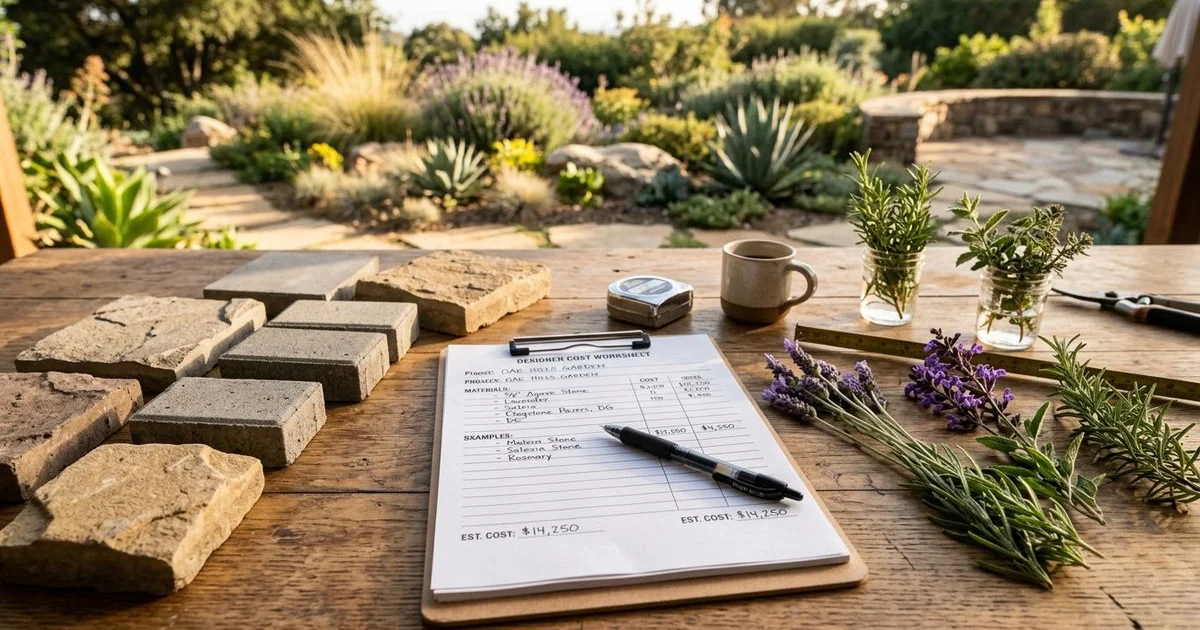
How to Create a Native Plant Garden That Saves Water
A native plant garden can be beautiful, low-maintenance, and deeply practical, but it only works when it is planned with the site in mind. That matters especially in places like the San Gabriel Valley, where water-wise landscape design is not just a preference, it is part of responsible property planning. The best native gardens do more than swap out turf for shrubs. They account for soil, slope, sun, drainage, irrigation, fire safety, and the way the land actually behaves during hot, dry weather.
I have seen too many plantings fail for the same reason: someone chose native plants because they are supposed to save water, then installed them in the wrong soil, on the wrong slope, under the wrong irrigation schedule. The plants were fine. The plan was not. A native garden saves water when it is designed as a system, not when it is treated like a shopping list.
Start with the site, not the plants
The first step is not choosing a palette of California natives. It is understanding the conditions on the ground. California water conservation guidance stresses the importance of assessing irrigation, soil, sun exposure, and plant selection before removing turf. That order matters. A lawn can be replaced with drought resistant landscaping and still waste water if the new planting zones are over-irrigated or grouped without regard to exposure.
Walk the property at different times of day. Notice where the soil dries quickly, where it stays damp longer, and which areas get punishing afternoon sun. A north-facing area may support a different mix than an exposed west slope. In the San Gabriel Valley, these differences can be substantial even on one property. The goal is to match the plant’s natural needs to the microclimate you already have, instead of fighting the site with constant watering.
Soil deserves particular attention. Native plants are not magical replacements that thrive in any ground. Some will tolerate lean, fast-draining soils. Others do better with a little more organic matter at establishment. The key is to avoid overcorrecting. Piling rich compost into every planting hole can create a pocket that holds moisture differently than the surrounding soil, which can actually work against long-term establishment. Small, measured improvements are usually safer than dramatic soil surgery.
Replace turf with a plan, not a patchwork
Turf removal is often where people start, but successful turf removal begins with a landscape plan. The state’s Model Water Efficient Landscape Ordinance is a reminder that new and renovated landscapes should be designed with water usage in mind, including efficient irrigation and climate-appropriate plants. That is a good framework whether you are remodeling a front yard, converting a side yard, or reworking a slope that has been struggling for years.
A common mistake is to remove grass first and then decide what to do with the empty space. That usually leads to uneven irrigation, scattered plantings, and hard-to-manage maintenance. A better approach is to divide the property into functional zones. Put the most water-thrifty natives in the driest, hottest parts of the yard. Reserve slightly more protected spots for plants that want a bit more summer moisture while they establish. Keep high-traffic areas simple and durable.
This is also where hardscaping earns its place. Well-placed paths, steps, and low retaining elements can reduce the amount of irrigated area without making the yard feel stark. In landscape design, hardscaping should not be decorative afterthought. It can shape movement, control runoff, and reduce the pressure to irrigate every square foot. On a hillside, that becomes even more important because the ground itself is working against you.
Hillsides call for restraint and structure
Hillside landscaping has its own complete outdoor renovation logic. Slopes shed water quickly, which can be helpful in one sense and unforgiving in another. Water runs off before it has time to soak in, and bare soil is vulnerable to erosion. The California Native Plant Society emphasizes that slopes need erosion control, drought tolerance, and firewise planting. That combination should guide every design decision on an incline.
On a slope, the job is not to blanket the hillside with the densest possible plant layer. It is to stabilize the soil and slow the water. Low, spreading natives and bunchgrasses are often useful because their roots hold the soil while their above-ground form allows light movement of air. Deep-rooted shrubs can help as well, but spacing matters. Crowding plants together to make the slope look finished right away is one of the fastest ways to create future problems with airflow, moisture competition, and maintenance access.
I have seen hillside projects where small terraces or carefully placed planting pockets made the difference between a constantly eroding slope and one that settled into a manageable pattern. In those cases, the hardscaping was modest, not flashy. A few structural elements reduced runoff, improved access for maintenance, and gave the plants time to establish. That is often the real value of hardscaping in drought resistant landscaping. It is not about ornament, it is about control.
A practical sequence that usually works
- Map sun, slope, and drainage before anything is removed.
- Group plants by water need and exposure, not by appearance alone.
- Use hardscaping to slow runoff and make maintenance possible.
- Choose an irrigation retrofit that can support separate planting zones.
- Add erosion control measures on slopes before planting, not after damage appears.
Plant selection should follow microclimate, not impulse
Native plant gardens succeed when plant choice is grounded in local conditions. California buckwheat, California sagebrush, manzanita, ceanothus, monkeyflower, foothill penstemon, and bunchgrasses are all names that come up naturally in discussions of water-wise planting in this region. San Gabriel oak is another locally named native species that fits the sense of place many homeowners want to preserve.
Still, a good garden is not built by collecting favorites. A plant that thrives on one parcel can struggle three blocks away if the exposure or drainage changes. That is why plant selection by microclimate is so important. A plant placed near reflected heat from a wall needs different consideration than the same plant in filtered shade. A shrub that handles a dry hillside well may not be the right choice for a low spot where water lingers after irrigation.
When native plants are grouped by similar water needs, irrigation becomes simpler and more efficient. That is one of the easiest ways to keep a garden from turning into a patchwork of overwatered and underwatered sections. The California Department of Water Resources points gardeners toward WUCOLS for region-appropriate plant water needs, and that approach is worth respecting. The point is not merely to choose natives. It is to choose plants whose water requirements are compatible with each other and with the site.
Plants that often suit a water-wise native garden
California buckwheat, California sagebrush, ceanothus, manzanita, monkeyflower, foothill penstemon, bunchgrasses, and San Gabriel oak can all fit into a thoughtful native landscape when matched correctly to exposure and drainage. Their success still depends on spacing, establishment irrigation, and the specific conditions of the site.
Irrigation is still part of the design
A native garden does not mean no irrigation. It means smarter irrigation. During establishment, plants need regular watering until roots begin to settle into the surrounding soil. After that, the system should shift toward longer, less frequent cycles that support deep rooting rather than shallow dependence.
This is where irrigation retrofits matter. Older sprinkler systems built for turf often waste water when they are reused for shrubs and perennials. Different plant zones should have different delivery methods and schedules. Efficient irrigation is not glamorous, but it is one of the strongest tools in drought tolerant landscaping. If the irrigation layout still behaves like a lawn system, the water savings will never be as strong as they should be.
The best systems are also easy to understand. If the schedule is so complicated that nobody can maintain it, the garden will drift toward overwatering. I have seen well-designed native gardens damaged by a single default setting left untouched through a hot season. A simple, disciplined schedule beats a clever one that nobody uses correctly.
Firewise concerns matter here too
For properties near foothills and canyon edges, firewise planting should be part of the plan from the beginning. The San Gabriel Mountains region carries special relevance because local native plant communities are tied to habitat, but also because defensible space and ember-resistant zone rules shape what makes sense near structures. That does not mean a native garden has to look barren. It means plant placement, spacing, and maintenance have to be intentional.
Fire-resistant planting is not about eliminating all living material around a home. It is about reducing fuel continuity and keeping plants healthy enough that they are not loaded with dead material. Regular pruning, removal of litter, and enough spacing for airflow all help. A dense thicket pressed against a wall is a poor choice, even if every species in it is native. A lighter, more deliberate arrangement can support both ecology and safety.
This is another place where landscape design and practical judgment intersect. A garden that saves water but traps debris, crowds windows, or creates hard-to-maintain pockets is not finished properly. The most durable projects are the ones where beauty, access, and safety support each other.
Water-wise design should also respect local rules and neighborhood realities
Homeowners’ associations can complicate landscape changes, but California water-restriction guidance says associations cannot prohibit certain water-efficient landscaping choices during drought-related restrictions. That does not erase every HOA issue, but it does matter for homeowners trying to make sensible changes within a managed community.
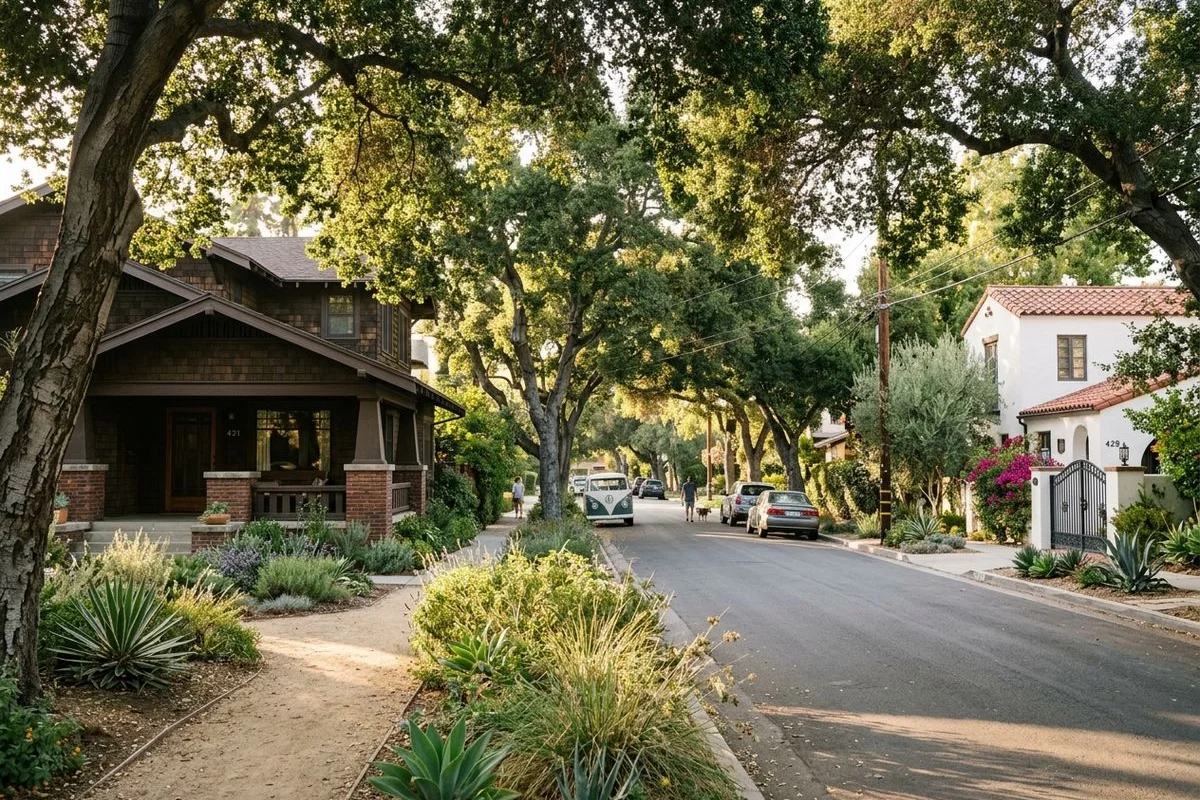
For many properties, the bigger issue is visual consistency. In the San Gabriel Valley, hillside character and neighborhood appearance often matter as much as plant choice. Water-efficient landscapes can still look polished, layered, and intentional. The trick is to design for shape and repetition rather than density. A restrained planting plan with repeated species can look more finished than a crowded mix of too many plants fighting for attention.
This is where native gardens often outperform generic drought plantings. California natives give a landscape identity. They can echo the regional ecology without trying to imitate a wild hillside. That distinction matters. A home landscape should feel cared for, not abandoned to nature. The difference is maintenance, spacing, and structure.
Establishment is the make-or-break period
The first year is where many native gardens earn their reputation, or lose it. Roots are adjusting. Soil around the plants is settling. Irrigation habits are being learned by both the plants and the people tending them. During this phase, patience matters more than ambition.
Avoid the urge to push a newly planted garden into a fully dry schedule too quickly. Young plants do not save water just because they are native. They save water after they are established and the system is tuned correctly. That usually means a transition, not an abrupt cutoff. The transition should be guided by the plant’s response, the soil, and the season. If leaves wilt in a way that signals real stress, the schedule may be too aggressive. If the soil stays wet for long periods, it may be too generous.
Weed control also matters here. Weeds compete for water and make new plantings look untidy, which tempts owners to overcorrect with extra irrigation. A clean, mulched, well-spaced bed is easier to manage and gives the plants a better start. Mulch can be a practical ally in water-wise landscaping because it reduces evaporation and tempers soil temperature, especially in exposed areas.
What a successful native garden feels like over time
A mature native plant garden does not usually look lush in the conventional, manicured sense. It looks grounded. It has seasonal variation, some plants cut back in summer, others showing structure through the dry months, and a rhythm that suits the climate rather than ignoring it. That can take a little getting used to if you are coming from turf or tropical planting, but the payoff is real.
You spend less time fighting the site. You spend less water trying to keep the impossible green. On a hillside, the slope begins to hold. Around the house, the planting becomes more legible. Birds and pollinators move through the space. The garden stops asking for constant correction.
The most successful native landscapes are rarely the ones that try to do everything at once. They are the ones that respect the land, use hardscaping where it helps, and choose plants because they belong there, not because they looked good at the nursery. In a region where drought resistant landscaping is increasingly important, that kind of discipline is more than aesthetic judgment. It is practical stewardship.
A native plant garden that saves water is built from small decisions made well: the right plant in the right microclimate, the right irrigation retrofit, the right amount of hardscaping, the right spacing on a slope, the right response to firewise and defensible-space concerns. Put those pieces together carefully, and the garden will do what it is supposed to do. It will use less water, hold the ground, and still feel like a place worth spending time in.