
Lymphatic Drainage at Home: Self-Massage Techniques
Most people only notice the lymphatic system when something goes wrong, like swelling after an ankle sprain or puffy eyes after a long flight. Yet this network of vessels, nodes, and fluid quietly supports circulation, immunity, and tissue repair every hour of the day. With a little knowledge and gentleness, you can encourage it to work more efficiently at home. Self-lymphatic drainage is not a cure-all, and it is not a replacement for medical treatment when you need it, but it can be a practical, low-risk tool for easing mild, routine congestion.
I have coached clients on these techniques for years, from desk workers with heavy legs at day’s end to post-travelers waking up with tight rings and swollen fingers. The same themes show up again and again. The strokes are lighter and slower than most people expect. The order matters more than the force. And small, consistent sessions tend to beat marathon efforts.
How the lymphatic system actually moves
Blood relies on the heart. Lymph relies on movement and pressure changes. Lymphatic vessels sit just under the skin and collect fluid, proteins, and cellular debris that escape from blood capillaries. That fluid passes through lymph nodes, where immune cells filter it, before it returns to the bloodstream near the collarbones.
A few simple facts shape good technique.
- Lymph is superficial. If you press hard enough to feel muscle, you are past the layer where most lymph moves. Think of gently stretching the skin, not kneading the tissues underneath.
- The rhythm is slow. The vessel walls have tiny valves and smooth muscle that respond to light, rhythmic skin stretch. Rapid rubbing or deep friction may increase local warmth, but it does not help the lymphatics pump.
- Direction counts. You want to clear space at the main drainage basins before you push fluid toward them. On the torso, that usually means toward the armpits, groin, and the area just above the collarbone. On the face, aim toward the jawline and down the sides of the neck.
- Breathing matters. The diaphragm is a major pump for central lymph flow. Deep, slow belly breaths create pressure changes that draw lymph to its final destination near the collarbones.
Those mechanics explain why lymphatic drainage, whether performed as self-massage or by a trained massage therapy professional, looks gentle from the outside. It is more like guiding a crowd through open doorways than battering a door with a shoulder.
What you can reasonably expect
Light, regular sessions can reduce a sense of puffiness, ease the tightness of rings or socks, and soften the feeling of fullness around the eyes or ankles after prolonged sitting or standing. After minor sprains or overuse, you may notice quicker settling of tissue congestion a few days after the initial injury, once heat and inflammation have peaked and begun to subside.
People often report subtle changes immediately. Skin may look a touch brighter, you might need to urinate within an hour, and the treated area can feel less tight. These effects are usually modest but noticeable, especially if you repeat the sequence on several days in a row. If you are dealing with diagnosed lymphedema or post-surgical swelling, self-massage is often used alongside compression, exercise, and medical guidance. In those cases, stick closely to your therapist’s plan, because surgical scars, radiation fields, or removed nodes may alter the safe pathways.
On the flip side, you will not change the shape of your face permanently with a few minutes of gentle strokes. The social media glow after a facial massage usually reflects temporary fluid shifts and increased circulation. Treat those changes as a pleasant, short-lived benefit, not as structural remodeling.
Safety first: when to wait or ask
Most healthy adults can try gentle self-drainage. There are, however, times to pause or adapt. Keep this checklist simple and strict. If any item fits, speak with a clinician or a certified lymphedema therapist before doing lymphatic work.
- Active infection, fever, or unexplained redness, warmth, and throbbing in an area you plan to massage
- History of blood clots, current calf pain with swelling, or sudden shortness of breath
- Unstable heart failure, severe kidney disease, or uncontrolled thyroid issues
- Cancer under active treatment without your medical team’s approval, or untreated suspicious lumps
- Recent major surgery, unhealed incisions, or significant pain that increases with touch
When in doubt, lighten up and shorten the session. The lymphatic system likes gentle coaxing, not heroic pressure.
Setting up your space, body, and hands
You do not need a spa to do this well. A firm pillow behind your back, a chair with arm support, and a clean towel are enough. Work on dry skin or with the slightest trace of a water-based lotion so your fingers glide without slipping. Heavy oils reduce the skin’s traction and make the strokes less effective, so save richer products for other forms of massage therapy.
Aim for a room that is warm enough that you are not tensing against the cold. Take off jewelry that could catch the skin. Keep a glass of water nearby if your mouth tends to get dry, but do not force fluids. A body that is already well hydrated will manage fluid shifts without you chugging a liter on command.
Start with clean hands. Short nails help. If you have very sensitive or thin skin, especially on the chest or neck, test a few strokes to gauge comfort before you commit to a full run.
The core sequence for self-drainage
Every technique I teach follows the same arc: open, direct, and settle. The opening clears the main basins so there is room downstream. The directing portion nudges fluid from the far areas toward those basins. The settling helps your body integrate the changes through rest and breath. Use the strokes like a metronome at a pace of about one movement every one to two seconds. Count five to ten gentle repeats at each spot. Picture the skin gliding a scant few millimeters under your fingers, then recoiling as you release.
Here is a practical sequence you can use for general upper- and lower-body congestion. If you only want to work on the face, keep the opening and neck portions and skip the limbs.
- Preparation and breathing: Sit or lie semi-reclined. Place one hand on the upper chest and the other on your belly. Inhale through the nose so the belly rises, then the ribs, then the upper chest. Exhale slowly through pursed lips. Take five breaths like this to wake up the diaphragm and central lymph flow.
- Open the collarbone area: Lightly place your fingertips in the soft space just above the collarbones. Stretch the skin downward and inward toward the sternum, barely any pressure, then release. Repeat five to eight times. This creates a gentle vacuum effect at the final drainage point.
- Soften the neck: On each side of the neck, from behind the ear down along the sternocleidomastoid toward the collarbone, make small scooping stretches toward the collarbone. Keep the chin slightly lifted without strain. Do not press on the throat. Five to ten gentle stretches per side.
- Clear the armpits and groin: Slide your fingers into the hollow of the armpit. With tiny, patient skin stretches, move toward the body’s center. Repeat five to ten times, then switch sides. At the groin, place fingertips just inside the hip crease and direct skin stretch toward the lower abdomen, again very light. Five to ten times per side.
- Direct from limbs to trunk: For arms, start near the armpit on the inner upper arm, then move down in sections to the elbow, forearm, and hand, always finishing each area by moving fluid up toward the armpit. For legs, start near the groin on the upper thigh, then move down to the knee, calf, and ankle, again always finishing by sweeping toward the groin. Use spiraling or J-shaped skin stretches, five to ten per section, keeping the pace unhurried.
If you have only a few minutes, do the breathing and the collarbone and neck portion. That alone can take a surprising load off facial puffiness. If you have 15 to 20 minutes, add the armpits and groin and the segments of the limbs that feel the heaviest.
A closer look at pressure and hand shape
The largest mistake beginners make is pressing too hard. People are used to Swedish or deep tissue massage, where depth and warmth signal effectiveness. With lymphatic work, ask yourself whether you are moving the skin without sliding over it. If you see the skin blanche and then return to normal color when you release, you are probably within range. If your fingers squeak across lotion or you feel muscle bunching, lighten your touch.
A comfortable hand shape is a loose crescent, thumb gently opposed. Think of a soft cat paw. For the neck and collarbone areas, use the pads of your fingers. On limbs, the full hand can drape better. The stroke itself is like drawing a slow letter J: a tiny preload to take up slack, a short directional stretch toward the nearest basin, then a complete release to let the skin recoil. That release phase is as important as the stretch. The vessels respond to the change in tension.
Working the upper body in detail
If hand swelling is your main complaint, clear the collarbone and neck first, then the armpit. From there, think in segments. Upper arm near the armpit, then the middle of the upper arm, then just above the elbow. At each segment, use those small skin stretches directing toward the armpit. After you finish the upper arm, move to the forearm in similar sections and conclude with the hand and fingers. For the fingers, encircle each one near its base and use light, rhythmic proximally directed stretches. Avoid squeezing the tips.
Keyboard-heavy days produce a distinct forearm tightness that self-drainage will not eliminate by itself. Alternate these sessions with gentle active range of motion exercises and tendon glides. Light lymphatic strokes prime the area, then movement wrings out the remaining congestion.
If breast or chest wall tightness is present after surgery or radiation, do not improvise. Scar patterns and removed nodes change the safe direction of flow. A certified lymphedema therapist can map new routes, sometimes toward the opposite armpit or to intercostal pathways. Once you have that map, self-massage becomes both safer and far more effective.
Easing heavy legs and ankles
For leg work, begin with the groin-clearing step. Many people skip it and then wonder why strokes at the ankle feel futile. After the groin, treat the upper thigh in two or three broad segments, then the area just above the knee, then the calf, and finally the ankle and foot. On the calf, keep the pressure feather-light. Strong calf squeezing is circulation work, not lymph drainage. You can combine them, but stay clear on which piece you are doing.
Desk-bound days, long flights, heat, and salt-heavy meals can all leave the ankles puffy by evening. A ten-minute sequence focused on the groin and lower leg often reduces the sock line enough that it is visible. Elevation while you work can help. Slide a pillow under the calves so the heels are free. If you use compression socks, do your self-massage first, then put the socks on while you still feel lighter.
Watch for red flags in legs, especially if one side swells quickly, feels hot, or hurts to the touch, or if walking produces calf pain that eases with rest. Those patterns warrant medical evaluation before any massage.
Gentle facial decongestion without tugging
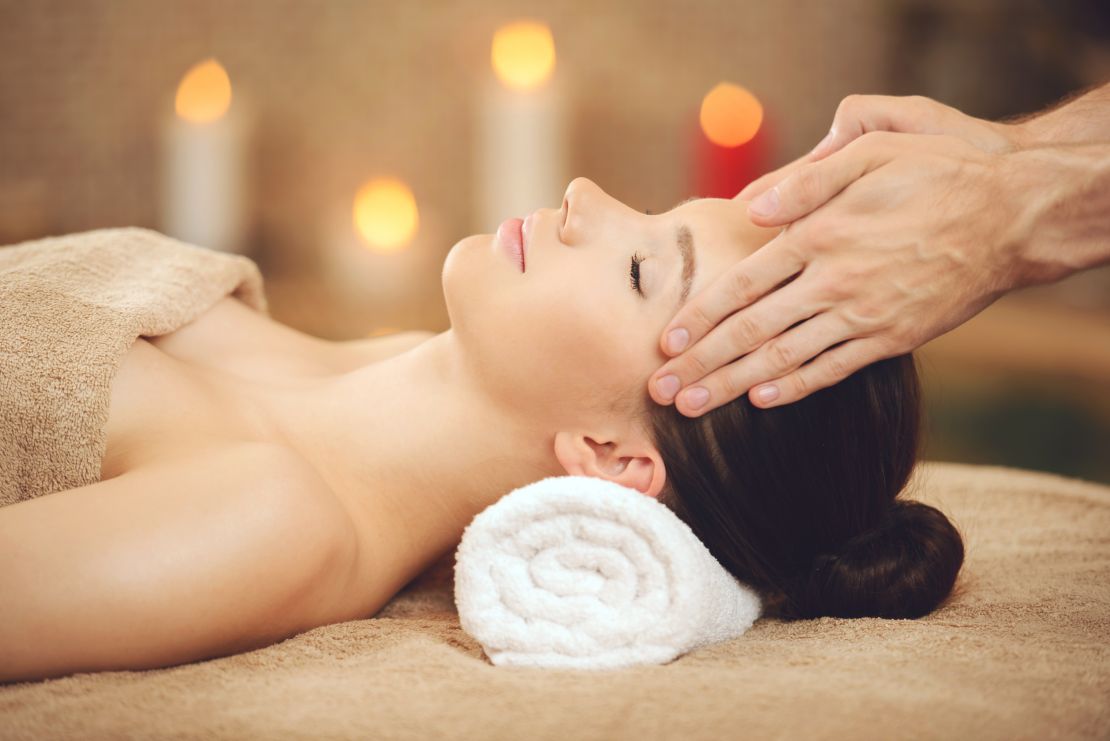
Facial lymphatics drain primarily toward the jawline and down the sides of the neck. After opening the collarbone and neck area, place your fingertips along the jaw from chin to angle and use tiny stretches toward the ear. Then from the sides of the nose, direct gentle strokes across the cheekbones toward the temples, and finally down in front of the ears toward the collarbone. Under the eyes, be extremely light. A single pass of five or six skin stretches per zone is plenty.
Allergens, poor sleep, and seasonal colds often make morning puffiness more pronounced. A three-minute facial sequence followed by a cup of tea and a walk outdoors solves more for some people than any fancy tool. If you enjoy tools, cold globes or a chilled ceramic spoon can be a pleasant add-on, but they are not required.
How often and how long
Frequency beats duration. Five to ten minutes daily for a week tends to outperform one long session on Sunday. If a specific area is persistently puffy, work it five days out of seven and evaluate how it behaves with a day off. For travel, treat the evening you arrive and the next morning, then resume your usual cadence.

In clinical practice, manual lymphatic drainage as part of comprehensive decongestive therapy might run 30 to 45 minutes per session, but that protocol addresses medical-grade lymphedema and is paired with bandaging, exercise, and skin care. Home practice for everyday congestion rarely needs more than 10 to 20 minutes.
Pairing self-drainage with movement and rest
The lymphatic system loves a steady diet of low- to moderate-intensity movement. After you finish a session, take a short walk or do a few minutes of gentle joint pumping. Ankle circles, fist openings and closings, shoulder rolls, and slow neck rotations keep fluid moving along the routes you just opened. Then sit for a minute and notice how the area feels. Chasing a dramatic outcome right away can tempt you into pressing harder than is useful.
Sleep quality also shapes morning fluid status. A slightly elevated head and neck position reduces overnight pooling in the face. For legs, lying down in the first place is already a kind of elevation, which is why many people wake with normal-looking ankles and then develop sock marks toward evening.
Common mistakes and how to adjust
Pressing too hard sits at the top of the list. The second most common pitfall is starting at the far end of a limb before clearing the central basins. If you begin at the hand or foot and try to push fluid uphill into congested nodes, you often feel worse, not better. If that happens, stop, return to the collarbone, neck, and armpit or groin, and try again.
Going too fast dilutes the effect. Set a mental metronome. One and stretch, two and release. If you are short on time, trim the number of repetitions, not the rhythm.
Using slick oils can also sabotage the mechanics. Switch to a tiny smear of lotion or work on clean, dry skin so the skin grips under your fingertips.

Finally, trying to fix too many areas at once can be counterproductive. Pick the one or two regions that matter most that day. A focused ten minutes is better than a scattered twenty.
Where professional massage therapy fits
Self-drainage thrives when you use it alongside a well-rounded plan. Licensed massage therapists trained in lymphatic techniques can set you up with a customized sequence, especially if scars, past injuries, or asymmetrical swelling complicate the picture. They will often combine manual lymphatic drainage with other massage methods and with movement coaching. In lymphedema care, certified lymphedema therapists integrate self-massage education with compression garments, exercise, and skin hygiene as part of complete decongestive therapy.
Think of professional sessions as calibration. You learn the right touch and direction for your body, then reinforce it at home. If your therapist marks arrows on your skin for a week as you learn, that is not overkill. It is often the fastest way to get the feel right.
Special situations and edge cases
After minor sprains or overuse, let the initial heat and tenderness settle for 48 to 72 hours before you start even gentle lymph work directly on the injury site. In the meantime, you can treat the areas upstream to keep overall flow healthy. For a twisted ankle, that might mean clearing the groin and thigh first, then adding light, brief strokes around the ankle when the skin is no longer hot.
During pregnancy, the volume of circulating fluid increases and ankle swelling is common late in the day. Many obstetric providers support gentle self-drainage for comfort, especially when combined with left-side lying and periodic walks. Avoid deep pressure on the legs during pregnancy, and get guidance muscle tension restorativemassages.com if you notice sudden, one-sided swelling, headache, or vision changes.
Chronic venous insufficiency and lymphatic congestion often travel together in the lower legs. Elevation, calf muscle exercise, and properly fitted compression stockings do most of the heavy lifting in venous cases. Self-drainage can complement those tools by easing ankle puffiness and skin tension. If your skin shows brownish staining near the ankles or if you have a history of leg ulcers, get medical input before adding new techniques.
After cancer surgery or radiation, lymph routes can be rerouted and sometimes fragile. This is where generic methods can mislead. A therapist can teach you alternative pathways, such as directing fluid from the affected arm across the chest to the opposite armpit. Without that map, you may work diligently in the wrong direction.
Finally, be cautious with thyroid problems if you plan to massage the front of the neck. Keep pressure minimal and skip direct work over the thyroid if it is enlarged or tender, and check with your clinician.
Tools, props, and whether you need them
Foam rollers, gua sha tools, and vibrating wands all have their fans. For lymphatic drainage, your hands are still the gold standard because they feel the skin give and recoil. If you like a tool, pick one with a smooth, broad surface and use the same feather-light pressure you would with your hands. Cold packs can temporarily reduce a puffy look but do little for long-term flow. Heat can relax tight muscles but may worsen acute inflammation, so match the temperature to your goal, not to habit.
Compression is not a tool you guess at. If you are considering compression sleeves or stockings because swelling is persistent, get measured and fitted. Ill-fitting compression can trap fluid where you do not want it.
A brief routine you can stick to
Many people maintain progress with a compact practice folded into daily life. After brushing your teeth in the morning, take three deep belly breaths, open the collarbone area with eight light stretches, sweep down both sides of the neck five times, then move to each armpit for eight gentle presses. If your hands or face tend to puff, add a quick pass along the jaw and cheeks toward the neck. At night, if your ankles feel heavy, clear the groin and upper thigh, then give the calves and ankles a few minutes of patient, directed skin stretches, followed by ankle pumps in bed.
This is not glamorous work. It is quiet, methodical, and satisfying precisely because the body responds to simple, respectful input.
When to seek help
If a limb or area stays swollen for more than a couple of weeks, if swelling is one-sided and came on quickly, or if there is pain, heat, or redness, get a medical evaluation. If you have a cancer history and new swelling appears in an arm or leg on the side of surgery or radiation, do not self-treat without guidance. And if self-drainage regularly leaves you feeling unwell or woozy, you are either working too intensely or there is a mismatch between the technique and your physiology. Ease back and consult a professional.
The bottom line, from practical experience
The lymphatic system responds to quiet consistency. Self-massage for drainage is not about force. It is about sequence, tempo, and respect for the body’s routing rules. When you match those principles with a few minutes of thoughtful touch, good breathing, and regular movement, you often get just what you hoped for: lighter hands after typing all day, ankles that fit your socks again, a face that looks more like you after a red-eye, and skin that feels less tight in hot weather.
Treat self-drainage as a skill. The first week is about learning to feel the skin glide and the vessels respond. By the second or third week, you will have your own rhythms. You will know that five gentle passes on the collarbone do more than a minute of heavy rubbing, and that clearing the armpit before you touch your hand makes the difference. That is the kind of body literacy that pays off across years, whether you keep doing it on your own or fold it into sessions with a trusted massage professional.