
The National Weather Service regularly issues High Wind Warnings for the Northern Wasatch Front, and easterly downslope winds near the Ogden and Weber canyon mouths have reached gusts of 60 to 70 mph in warned events, strong enough to move loose debris and drive it into anything exposed in the yard, including an outdoor AC condenser.
The outdoor unit sheds heat through hundreds of closely spaced aluminum fins, and they are fragile by design because thin metal releases heat better. That is exactly what makes them vulnerable to wind-driven grit and gravel, which flatten and fold them, closing off the gaps air needs to pass through.
When airflow across the condenser is restricted, the unit cannot release its heat, so it runs longer and builds higher pressure, which loads the compressor and fan motor. Over a full summer that added strain can lead to a frozen coil or early compressor failure, turning cosmetic-looking wind damage into the reason an AC quits in July.
Every Ogden homeowner who has lived through an east-wind event knows the sound: the overnight roar off the mountains, the patio furniture on the move, the morning yard full of branches and grit. What most people do not think about is the outdoor air conditioner sitting exposed to all of it. After a hard canyon wind, that condenser can be packed with leaves, coated in dust, and dinged along its metal fins, and the damage often stays hidden until the first real heat of July, when the system suddenly cannot keep the house cool. This is a distinctly local problem, and it is one of the more common reasons homeowners across Weber County call for HVAC service Ogden UT trusts after a windstorm. One Hour Heating & Air Conditioning of Ogden works on these wind-battered systems across the valley floor and the East Bench, and understanding what the wind actually does to the unit is the first thing worth knowing.
The outdoor unit is built to sit outside, but built to sit outside is not the same as immune to a 60 mph gust carrying gravel. The Wasatch Front produces some of the most punishing downslope winds in the country, and the equipment in the side yard takes the hit. Knowing how that damage happens, and what it costs a system over time, is what separates a homeowner who catches it early from one who discovers it during a heat wave.

Ogden sits at the mouth of a major canyon, and that geography drives a weather pattern the whole Northern Wasatch Front knows well. When the right pressure setup develops, easterly air spills down out of the mountains and accelerates as it funnels through the canyons, producing strong downslope winds that hit hardest near the canyon mouths and along the benches. The National Weather Service issues High Wind Warnings for Weber and Davis Counties during these events, and gusts near the Ogden and Weber canyon mouths have reached 60 to 70 mph in warned events. Those same warnings note that the winds are strong enough to move loose debris, damage property, and knock out power.
For a homeowner, the takeaway is simple. This is not an occasional freak event. It is a recurring feature of the local climate, and any outdoor equipment in Ogden, from Riverdale up through the East Bench and out toward North Ogden, lives with it. The homes closest to the canyon mouth and on the exposed benches see the strongest gusts, but even valley-floor properties in 84404 and 84401 get the dust and grit these winds carry. That reality is exactly why HVAC service Ogden UT homeowners schedule tends to spike in the days after a named wind event.
The outdoor unit, called the condenser, is the box in the yard that releases the heat pulled out of the home. It does that job through a coil wrapped in hundreds of thin aluminum fins, which are the closely spaced metal strips that give the heat somewhere to escape. Those fins are delicate by design, since thin metal sheds heat better, and that is precisely what makes them vulnerable to wind. Canyon wind damages the condenser in a few distinct ways, and they often happen together.
The first is debris packing. Wind drives leaves, cottonwood fluff, twigs, dust, and yard litter straight into the unit, where it collects against the coil and inside the cabinet. The fan pulls air through that coil, so anything blocking it chokes the airflow the system depends on. The second is bent fins. Wind-driven grit and small gravel become projectiles at 50 or 60 mph, and when they strike those soft aluminum fins they flatten and fold them, closing off the gaps air needs to pass through. The third is impact and fouling. Larger debris can dent the cabinet or lodge in the fan, while fine grit cakes onto the coil surface and insulates it, so it can no longer shed heat the way it should. Any one of these is a problem. After a serious canyon wind, a unit often has all three, which is why a post-storm HVAC service Ogden UT visit is worth the call.
None of this looks dramatic from the yard. A slightly matted coil and a patch of bent fins do not announce themselves, and the AC keeps running. The trouble is what that damage does to the system under load. When airflow across the condenser is restricted, the unit cannot release the heat it is carrying, so it runs longer and harder to reach the same temperature. The homeowner sees it as rooms that never quite cool, an outdoor unit that runs constantly, and a power bill that climbs for no obvious reason.
The deeper cost is the strain on the expensive parts. A condenser fighting restricted airflow builds higher pressure and heat, which loads the compressor and the fan motor, the two components a homeowner least wants to replace. Over a full Ogden summer, that added strain can push a system toward a frozen coil, a tripped unit, or in the worst cases early compressor failure. The wind damage that seemed cosmetic in April becomes the reason the AC quits in July. Catching it early through routine HVAC service Ogden UT households can schedule is far cheaper than replacing a compressor that died from months of overwork. The damage is small at first. The consequences are not.
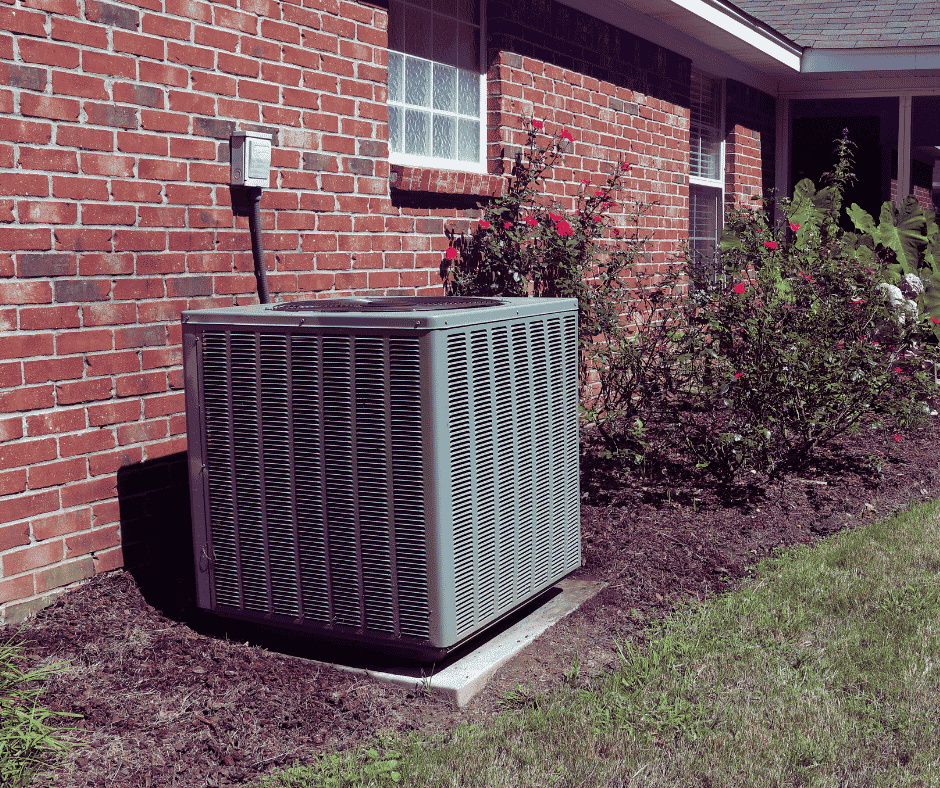
A homeowner does not need to diagnose the unit, only to notice the symptoms that follow a wind event. The most common sign is an air conditioner that runs and runs without cooling the house down, because a choked condenser cannot shed heat fast enough to satisfy the thermostat. Warm or weak air from the vents while the system is clearly running points the same direction. A power bill that jumps without any change in how the home is being cooled is another quiet flag, since the strained system is burning more energy to do the same work.
Then there are the visible clues at the unit itself. Leaves and debris packed against the sides, patches of aluminum fins that look flattened or mashed inward, a new rattle or a louder-than-usual fan, or dents in the cabinet all indicate the wind left a mark. Any of these after a canyon blow is reason enough to book HVAC service Ogden UT homeowners can count on, ideally before the next hot stretch forces the damaged unit to work at full tilt. Spotting the problem in spring is a minor service call. Ignoring it until July is often a major one.

Restoring a wind-battered condenser is straightforward work for a technician, but it is not a job for a garden hose and good intentions. A proper visit starts with a full inspection of the outdoor unit to find the debris, the bent fins, and any impact damage. The technician clears the packed leaves and grit, then cleans the coil with the correct method and cleaner rather than a pressure washer, which would flatten the very fins the wind already bent. Bent fins get straightened with a fin comb, a tool sized to the fin spacing that reopens the airflow gaps without tearing the metal.
From there the work moves to the parts the naked eye misses. The technician checks the refrigerant pressures to confirm the system is actually moving heat the way it should, inspects the fan and the electrical connections that wind and debris can disturb, and verifies the unit is cooling to spec before leaving. That full picture is the difference between a unit that looks clean and one that is genuinely restored. It is also why a homeowner is better served by professional HVAC service Ogden UT technicians provide than by a quick spray-down, since a technician catches the pressure and electrical issues that a rinse never touches. A good service visit does not just clean the unit. It confirms the wind did not leave a hidden problem behind.

Because canyon winds are a fact of life here, a little prevention pays off. The most useful habit is keeping the area around the condenser clear, with a couple of feet of open space on all sides so debris has less to catch on and airflow stays open. Trimming back nearby shrubs and trees cuts down on the leaves and branches the wind can drive into the coil. One Ogden-specific point matters more than most homeowners realize: loose gravel or rock landscaping right next to the unit is a liability here, because in a strong canyon wind those rocks become the projectiles that flatten the fins. Keeping the immediate area around the unit free of loose rock is one of the simplest protections a local homeowner can make.
After any significant wind event, a quick look at the outdoor unit is worth the two minutes. Visible leaves packed against the coil, flattened fins, or a unit that suddenly seems to run without cooling are all reasons to book a service visit before the next hot stretch. A seasonal maintenance schedule, such as a club membership plan that brings a technician out ahead of cooling season, is the reliable way to make sure wind and grit from the winter and spring do not become a July breakdown. The goal is to reach peak summer with a clean, unobstructed condenser rather than one quietly choked by months of canyon debris.
The tricky part of wind damage is the gap between when it happens and when it shows. Ogden's strongest east-wind events tend to arrive with the cold fronts of fall, winter, and early spring, months when the air conditioner is switched off and no one is watching how it cools. The debris packs in and the fins bend while the unit sits idle, so the damage accumulates quietly through the off-season. Then the first genuinely hot week of summer arrives, the system is asked to run hard for the first time in months, and the hidden damage finally surfaces as a house that will not cool.
That timing is exactly why a spring service visit matters so much in this market. Having a technician clear the winter's canyon debris and check the condenser before cooling season means the wind damage gets caught while it is still cheap to fix. It is the reliable way for HVAC service Ogden UT homeowners to sidestep the mid-summer scramble, and it turns an unpredictable breakdown into a routine visit on the homeowner's schedule rather than the weather's.
One Hour Heating & Air Conditioning of Ogden is an independently owned and operated local franchise, owner-led by Matt McFarland, serving Ogden and the greater Weber and Davis County market including North Ogden, South Ogden, Roy, Riverdale, Washington Terrace, Clearfield, Layton, and the surrounding communities. The company is Utah Licensed, Bonded, and Insured, its technicians hold EPA, RMGA, and BPI certifications, and it holds a 5-star rating across more than 568 Google reviews. Homeowners get upfront StraightForward Pricing before any work begins, a 100 percent satisfaction guarantee that backs materials, labor, and craftsmanship for up to two years, 24/7 availability, and the Always On Time Or You Don't Pay A Dime promise, which means if the technician is even one minute late to the scheduled window, the visit is free. After a canyon wind leaves the outdoor unit packed with debris and the cooling season bearing down, the smart move is to have it checked before the heat exposes the damage. Homeowners who need HVAC service Ogden UT can rely on can call One Hour Heating & Air Conditioning of Ogden at (385) 485-6550 to schedule an inspection and upfront pricing.
Redirect to:
|
This page is a redirect. The following categories are used to track and monitor this redirect:
|