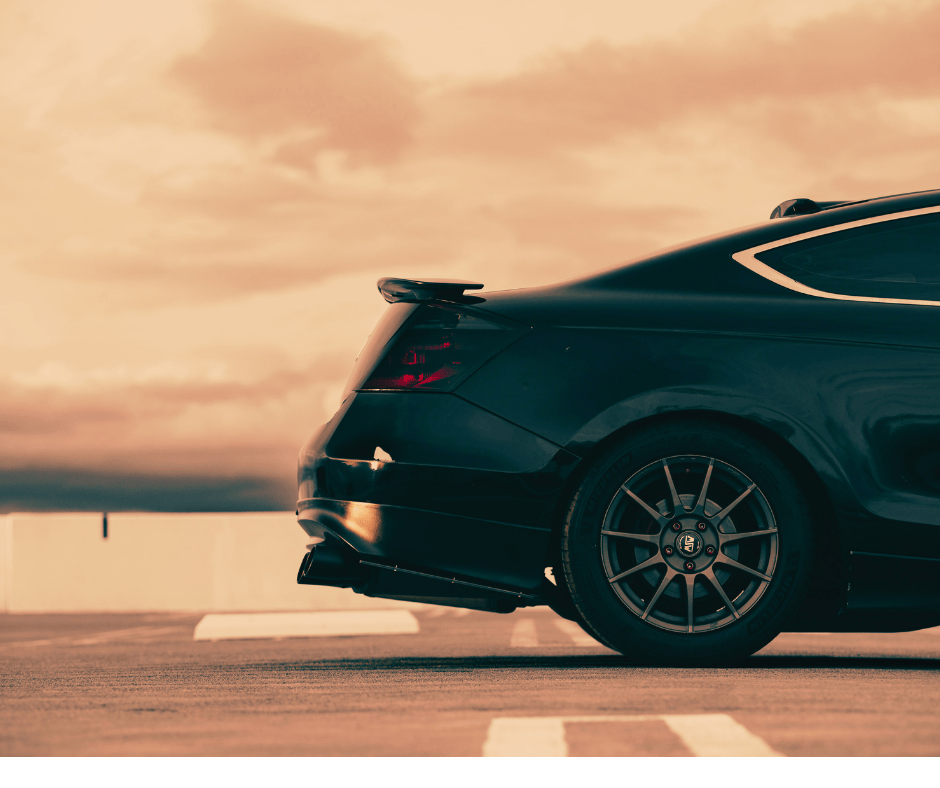
Kentucky tint law is written in terms of visible light transmission, or VLT, the percentage of light a window lets through, with front side windows capped at 35 percent VLT and rear side and back glass at 18 percent VLT.
Ceramic window films reject heat using non-metallic nano-ceramic particles rather than metal, so they block a large share of infrared heat and close to 99 percent of UV without interfering with cellular, GPS, or Bluetooth reception.
Most of the sun's heat reaching a car's cabin arrives as infrared energy, which is why high-infrared and ceramic tints that target the infrared band can cut interior heat far more than a dark dyed film that mainly reduces visible light.
Tinting a car in Louisville starts with a number most drivers have never heard of: VLT, or visible light transmission, the percentage of light a window lets through. Kentucky sets legal limits on that percentage, and getting them wrong means a failed inspection, a fix-it ticket, and the cost of stripping film that was installed too dark. Knowing the rules before the film goes on saves all of that. Sun Tint installs auto window tinting for drivers across Louisville and Kentuckiana, from St. Matthews and Middletown to the Preston Highway corridor, and every install goes on at the legal limit by default unless a driver has a medical exemption.
The law is not complicated once the numbers are clear, and the payoff of doing it right is a car that stays cooler, protects its interior, and passes inspection without a second thought.
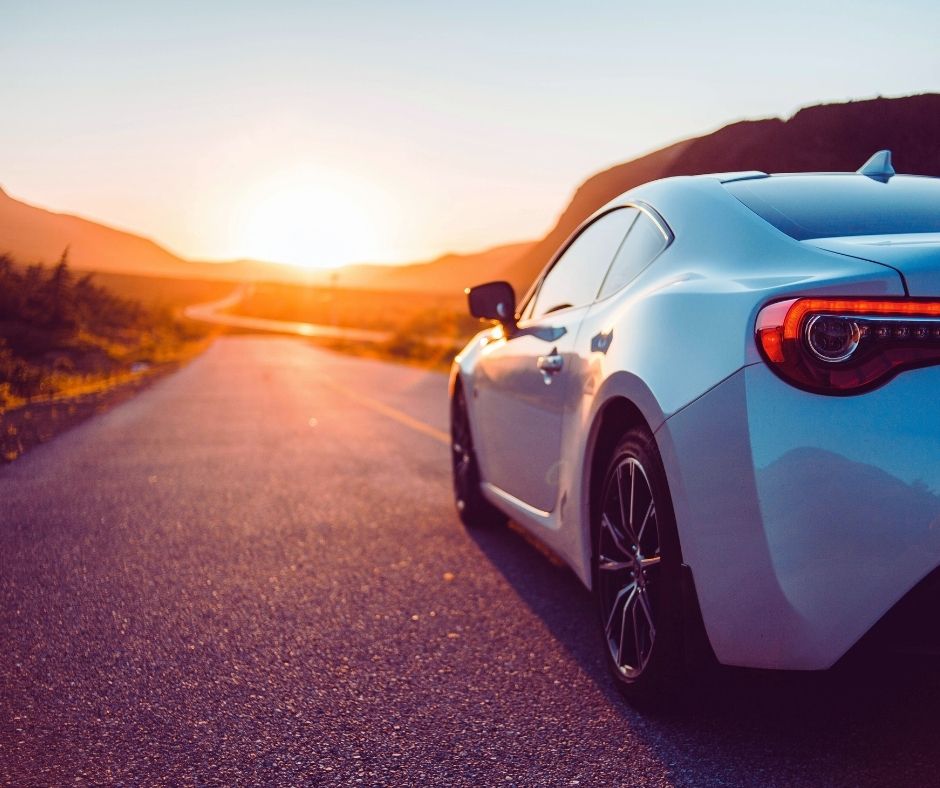
Kentucky's limits come down to a few figures. Front side windows must let in more than 35 percent of light, so no darker than 35 percent VLT. Rear side windows and the back glass must let in more than 18 percent, so no darker than 18 percent VLT. On the windshield, tint is limited to a non-reflective strip along the top few inches, above the manufacturer's AS-1 line. Reflectivity is capped as well, with front and rear side windows limited to no more than 25 percent reflection, which keeps mirror-like finishes off the road. Because statutes can change, the current Kentucky rules are worth confirming before an install, and a reputable shop installs to the legal limit by default.
The limits balance a driver's comfort against visibility and safety, for the driver and for the officer at a traffic stop. A tint darker than the law allows can look sharp in the parking lot and then cost real money at inspection, plus the labor to remove it. The better play is choosing a film that performs well at a legal shade rather than chasing the darkest look. Modern films reject a great deal of heat and nearly all UV at legal VLT levels, so the comfort a driver wants does not require an illegal tint.
Kentucky allows a medical exemption for drivers with a documented condition that requires added protection from sunlight, which permits darker tint than the standard limits. The exemption follows a process and documentation, and a driver who qualifies should have that paperwork in order before the install. Sun Tint can install to an exemption when a driver has the proper documentation, and installs to the standard legal limit otherwise.
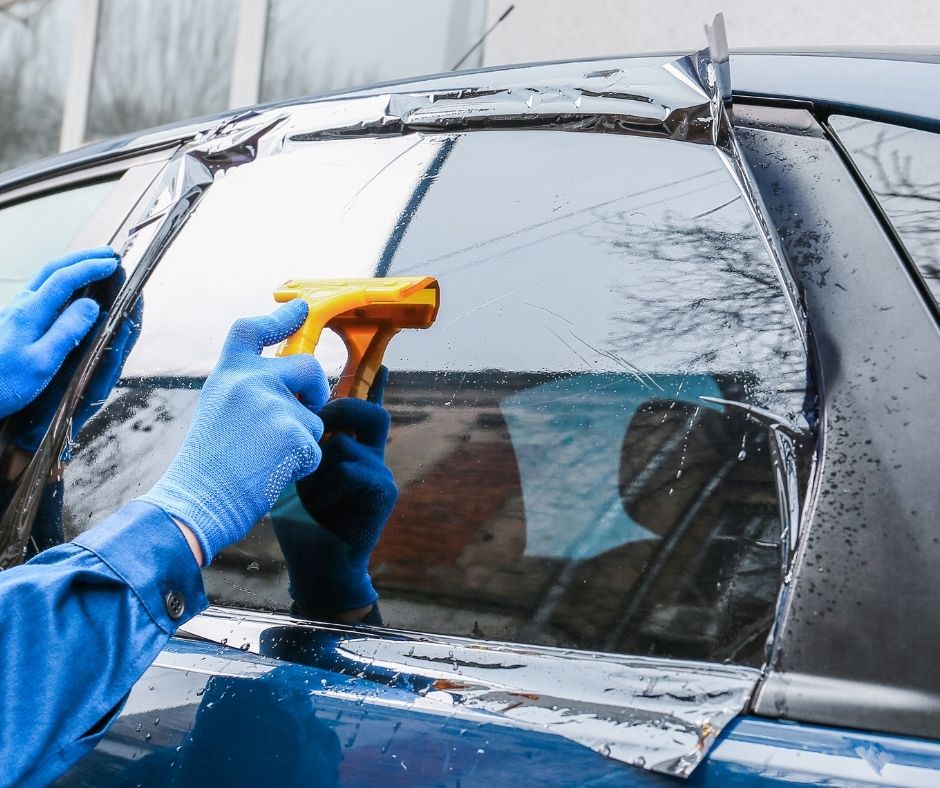
What separates a good auto tint from a cheap one is the film, not the darkness. Ceramic window tint uses non-metallic nano-ceramic particles to reject a large share of heat and block close to 99 percent of UV, all while staying signal-safe, so it never interferes with GPS, Bluetooth, cellular, or a car's driver-assist sensors. High-infrared films target the infrared band that carries most of the sun's heat. Carbon films give a flat, matte look and hold their color, and dyed films are the budget option that can fade or turn purple over time. Sun Tint is a multiline dealer, so the recommendation is matched to the vehicle and the driver's priorities rather than to a single product.
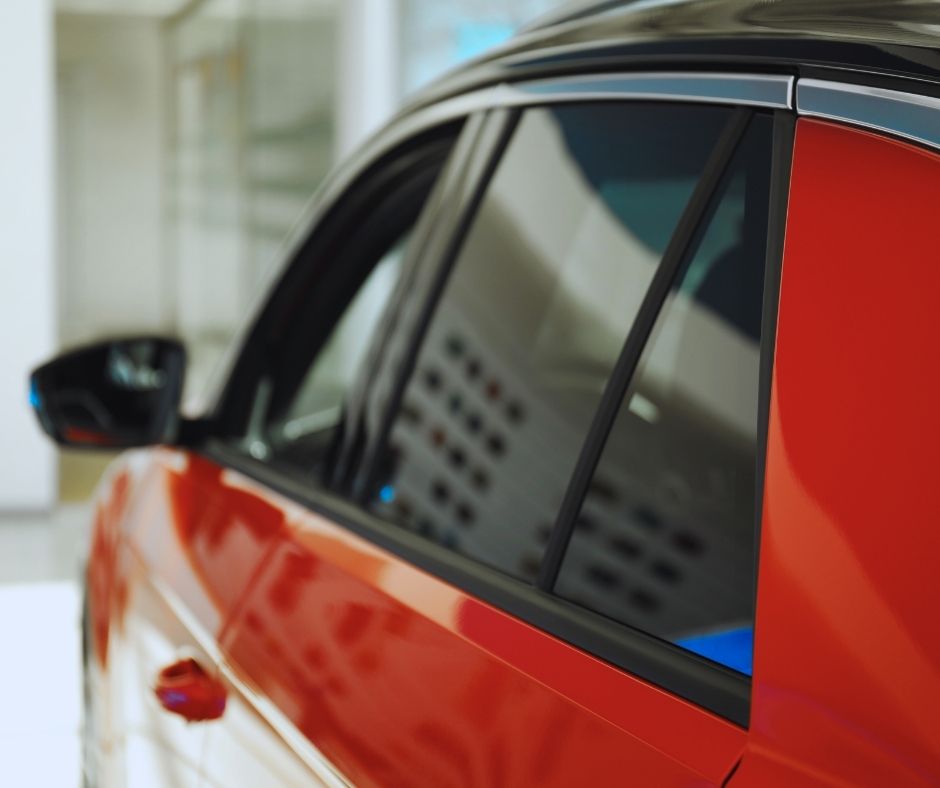
Done right, tint does more than cut glare on I-64 at sunset. It rejects the infrared heat that makes a parked car an oven, which eases the load on the air conditioning and the cabin on a Louisville summer afternoon. It blocks the UV that fades a dashboard, seats, trim, and upholstery, and that protects a driver's skin on a long commute down the Watterson. And it keeps the interior of a leased or new vehicle looking newer for longer, which matters at lease turn-in or resale. All of that is available within Kentucky's limits with the right film.
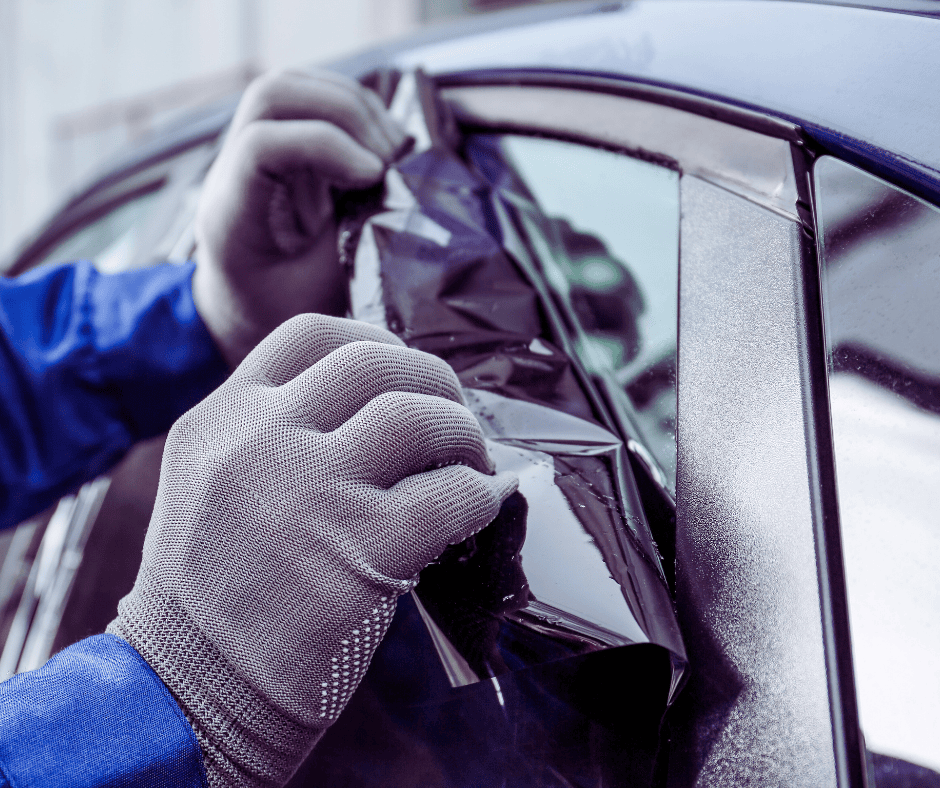
Sun Tint is a local, family-owned company that has tinted vehicles across Louisville and Southern Indiana for over 40 years, using computer-cut patterns and a careful application that keeps blades away from trim, paint, and seals for a clean, bubble-free finish. The shop installs to Kentucky's legal limits by default, works with medical exemptions when documented, offers free quotes and transparent pricing, and provides mobile service for drivers who would rather have the car done at home or the office. Whether the goal is heat rejection on a daily commuter or a factory-clean look on a new SUV, the install starts with a legal, well-matched film.
Kentucky's tint limits are straightforward once the VLT numbers are clear, and a legal install still delivers the heat, glare, and UV control drivers actually want. To get a legal, well-matched tint on a car, truck, or SUV, get a free quote from Sun Tint at (502) 254-0001.
Redirect to:
|
This page is a redirect. The following categories are used to track and monitor this redirect:
|