
It is one of the most common complaints in North Atlanta homes: the downstairs feels fine, the thermostat reads a comfortable number, and yet the upstairs bedrooms are five to ten degrees warmer and stay that way well into the night. Homeowners often assume they need ac repair for a broken system, and sometimes they do, but just as often the system is working and the real problem is a combination of Georgia's brutal attic heat and undersized upstairs airflow. Understanding why the upstairs stays hot helps an Alpharetta homeowner know whether the fix is a simple ac repair, an airflow correction, or something else entirely. One Hour Heating and Air Conditioning of North Atlanta sees this exact problem across Alpharetta, Roswell, Sandy Springs, and Milton constantly, and the causes are usually the same handful of things.
This article is general information, not a repair manual. Any work involving refrigerant, sealed electrical parts, ductwork, or the inside of the equipment belongs to a qualified technician.
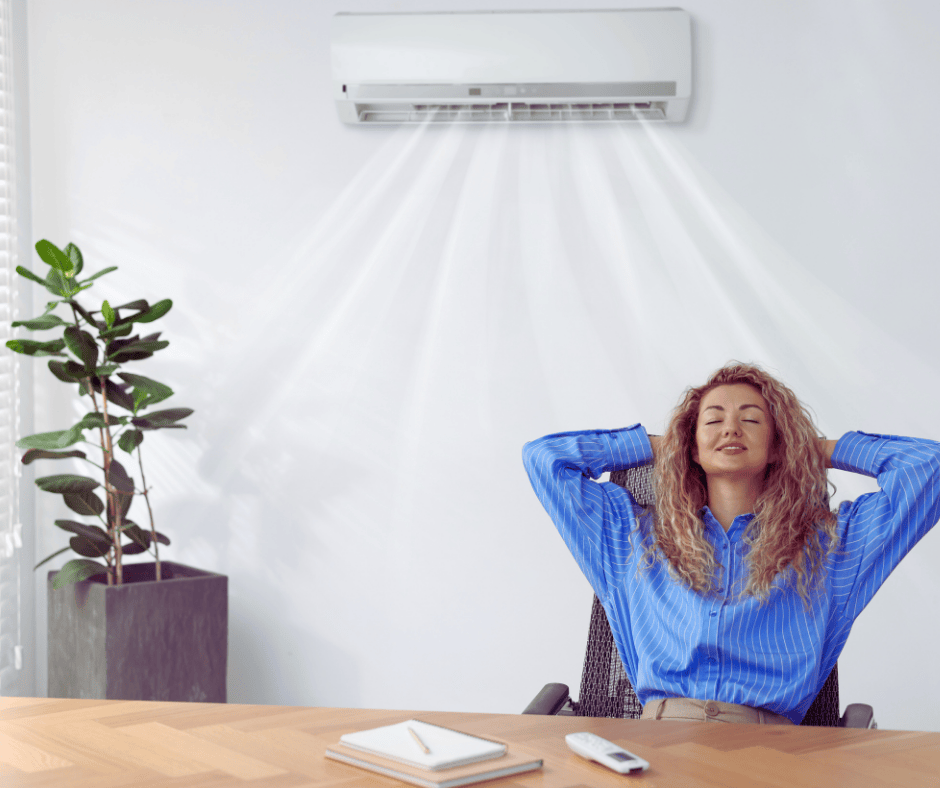
The single biggest reason an Alpharetta upstairs stays hot has nothing to do with the air conditioner at all: it is the attic. On a summer afternoon, Georgia attic temperatures routinely climb past 130 degrees, and that heat radiates down through the ceiling into the upstairs rooms for hours after the sun goes down. The upstairs is essentially sitting under a giant radiator that stays hot into the night. Even a perfectly working system fights an uphill battle against that heat load, which is why so many two-story homes across the metro have a warm upstairs even when nothing is technically broken and no ac repair is needed.
This attic-heat reality also explains the timing homeowners notice. The upstairs is often bearable in the morning and grows steadily worse through the afternoon and evening, because the attic has been baking all day and keeps releasing that stored heat downward. A homeowner who understands this can stop assuming the system is failing and start looking at the real culprits: heat coming in from above and air not moving well enough to counter it. Sometimes the answer is ac repair, but often it is an airflow problem that a repair alone will not solve.
Georgia attic temperatures routinely exceed 130 degrees on a summer afternoon and keep radiating heat down into the upstairs for hours after sunset, which is why the upper floor grows warmer through the evening even when the AC is working.
Much of the ductwork serving the upper floor runs through that superheated attic, so leaky ducts lose cooled air before it reaches the rooms and can even pull hot attic air into the system, meaning no equipment repair alone will fix the loss.
An oversized AC short-cycles and satisfies the downstairs thermostat before it ever moves enough air through the upstairs, so a smaller, right-sized system running steadier cycles often cools a two-story home more evenly than an oversized one.
The second major reason the upstairs stays hot is airflow, specifically the return air. Return air is the path that pulls warm air out of the upstairs rooms and carries it back to the system to be cooled. In many North Atlanta homes, the upstairs return air was undersized when the house was built, meaning there is not enough return capacity to move air through the upper floor at the rate the space actually needs. When return air is restricted, the upstairs cannot shed its heat fast enough no matter how hard the system runs, and the rooms stay warm.
This is why an upstairs-hot problem is often an airflow diagnosis rather than an ac repair in the traditional sense. A technician looks at static pressure, which is a measure of how hard the system is having to push and pull air through the ducts, and at whether the return and supply are balanced for the upstairs load. When the ductwork is undersized or poorly balanced, the upstairs suffers first because it is farthest from the equipment and carries the heaviest heat load. Correcting airflow, rather than just performing a component ac repair, is frequently what actually fixes the comfort problem.
When an Alpharetta homeowner calls about a hot upstairs, the cause usually falls somewhere on a range from a quick ac repair to a larger airflow correction. Sorting out which one it is takes a proper look at the system and the ductwork.
The first two are often genuine ac repair items, a technician cleans or replaces the restricting part, or finds and addresses a refrigerant leak. The last three are airflow and system-design issues that a repair alone will not solve, and they call for duct sealing, return-air correction, zoning, or in some cases a conversation about a right-sized replacement. The honest answer is that a hot upstairs can be any of these, which is exactly why it deserves a real diagnosis rather than a guess.
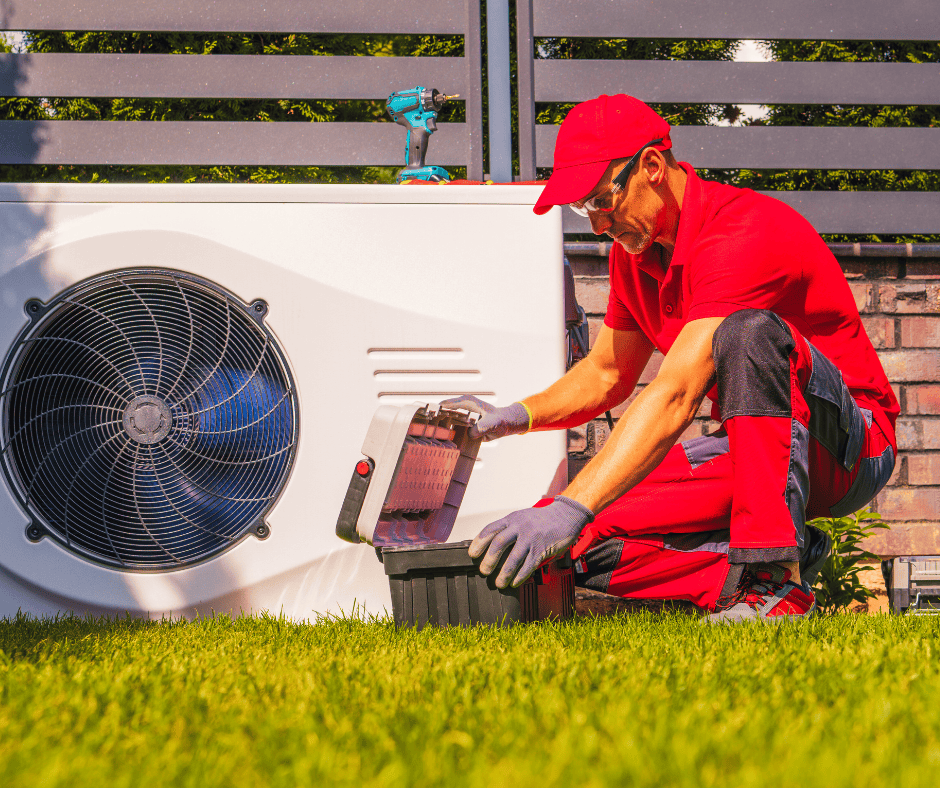

There is a particularly Georgia twist to the upstairs-hot problem: much of the ductwork serving the upper floor runs through that 130-degree attic. When ducts leak, and older ducts commonly do, they lose cooled air into the attic and can even pull scorching attic air into the system through gaps on the return side. The result is that air arriving at the upstairs registers is warmer than it should be, and the upstairs never gets the full benefit of the cooling the system is producing. In this situation, no amount of component ac repair on the equipment itself will fix the problem, because the loss is happening in the ducts.
Duct sealing addresses this directly by closing the leaks so cooled air actually reaches the rooms and hot attic air stays out of the system. Pairing that with correcting undersized returns often makes a dramatic difference in an upstairs that has been hot for years. This is why a good technician looks at the whole airflow picture rather than treating every hot-upstairs call as a simple ac repair; the fix has to match where the problem actually lives, and in the Georgia attic, it frequently lives in the ductwork.
Sometimes the diagnosis points past ac repair and airflow corrections to the system itself. An air conditioner that is oversized for the home short-cycles, meaning it turns on and off too quickly, satisfying the downstairs thermostat fast while never running long enough to move air through the upstairs and pull humidity from the home. Counterintuitively, a smaller, right-sized system that runs longer, steadier cycles often cools a two-story home more evenly than an oversized one. This is why a Manual J load calculation, a room-by-room measurement of a home's actual cooling needs, matters more in this climate than a rule-of-thumb guess at system size.
An aging system nearing the end of its life, especially one still using the older R-410A refrigerant now being phased out following the post-2025 transition, may also be a candidate for replacement rather than continued ac repair. When replacement is the better path, One Hour Heating & Air Conditioning of North Atlanta can walk through right-sized, high-efficiency options and, for qualifying households, the income-based Georgia HEAR heat pump rebate, which offers eligible homeowners a rebate toward a qualifying high-efficiency heat pump, with the largest benefits going to households at or below 80 percent of Area Median Income. The rebate depends on income and eligibility and is confirmed only after a review, so it is a real option to explore rather than a guaranteed discount. The point is to match the solution to the actual cause, whether that is a repair, an airflow fix, or a new system.
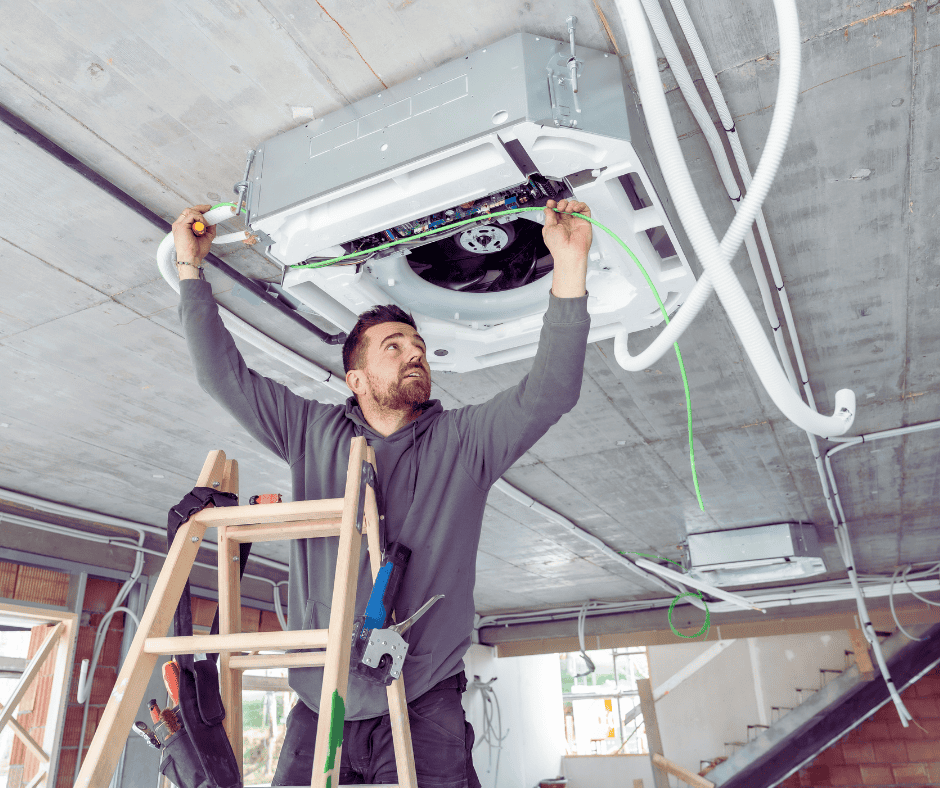
One Hour Heating and Air Conditioning of North Atlanta diagnoses and fixes hot-upstairs problems, from ac repair to duct sealing to right-sized replacements, working from its shop at 1360 Union Hill Rd Ste 5F in Alpharetta, GA 30004 and serving Alpharetta, Cumming, Dunwoody, East Cobb, Milton, Roswell, Sandy Springs, and the broader North Atlanta metro. The company runs genuine 24/7 service, is licensed and insured, locally and independently operated, and backs its work with StraightForward upfront pricing so the cost is clear before any work begins, the Always On Time, Or You Don't Pay a Dime guarantee, a 100 percent satisfaction commitment, the Comfort Club maintenance plan, and a record across more than a hundred five-star reviews. Because a hot upstairs can be a simple repair or a deeper airflow issue, the work starts with a real diagnosis rather than a guess. Alpharetta homeowners tired of a hot upstairs can call One Hour at (404) 721-3562 to get it properly diagnosed. This article is general information only; any repair involving refrigerant, sealed electrical parts, ductwork, or the interior of the equipment should be left to a qualified technician.
Redirect to:
|
This page is a redirect. The following categories are used to track and monitor this redirect:
|