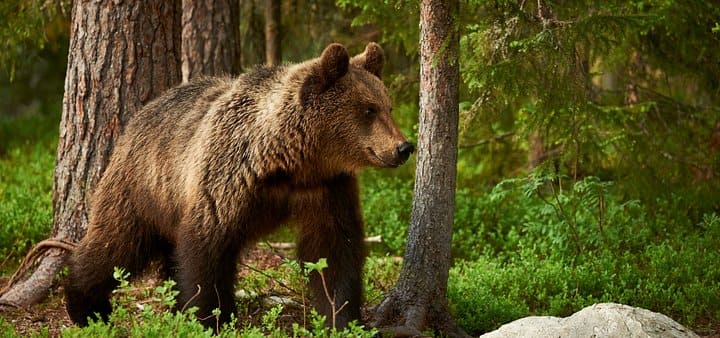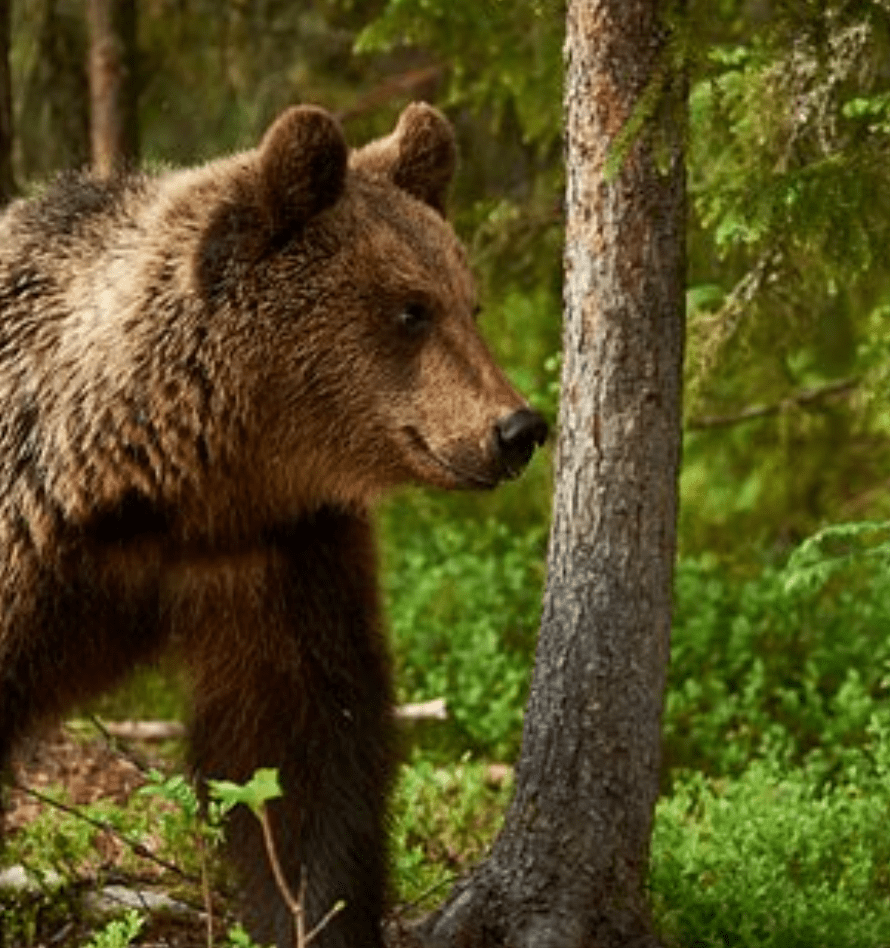
Romanian brown bears are known for their impressive size, with some males weighing over 350 kilograms (770 pounds). Despite their size, they are surprisingly agile and can run at speeds of up to 50 kilometers per hour (31 miles per hour).

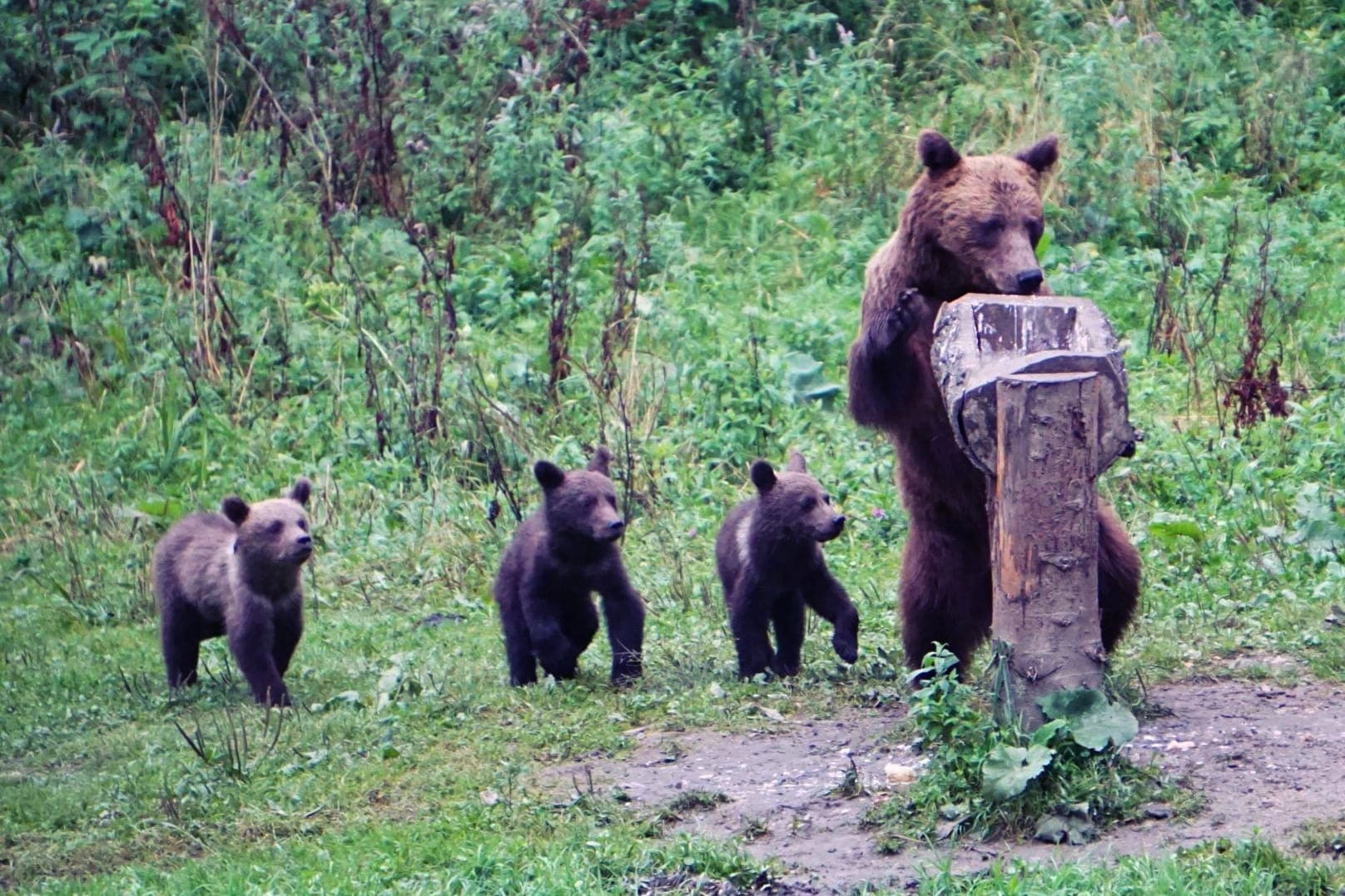
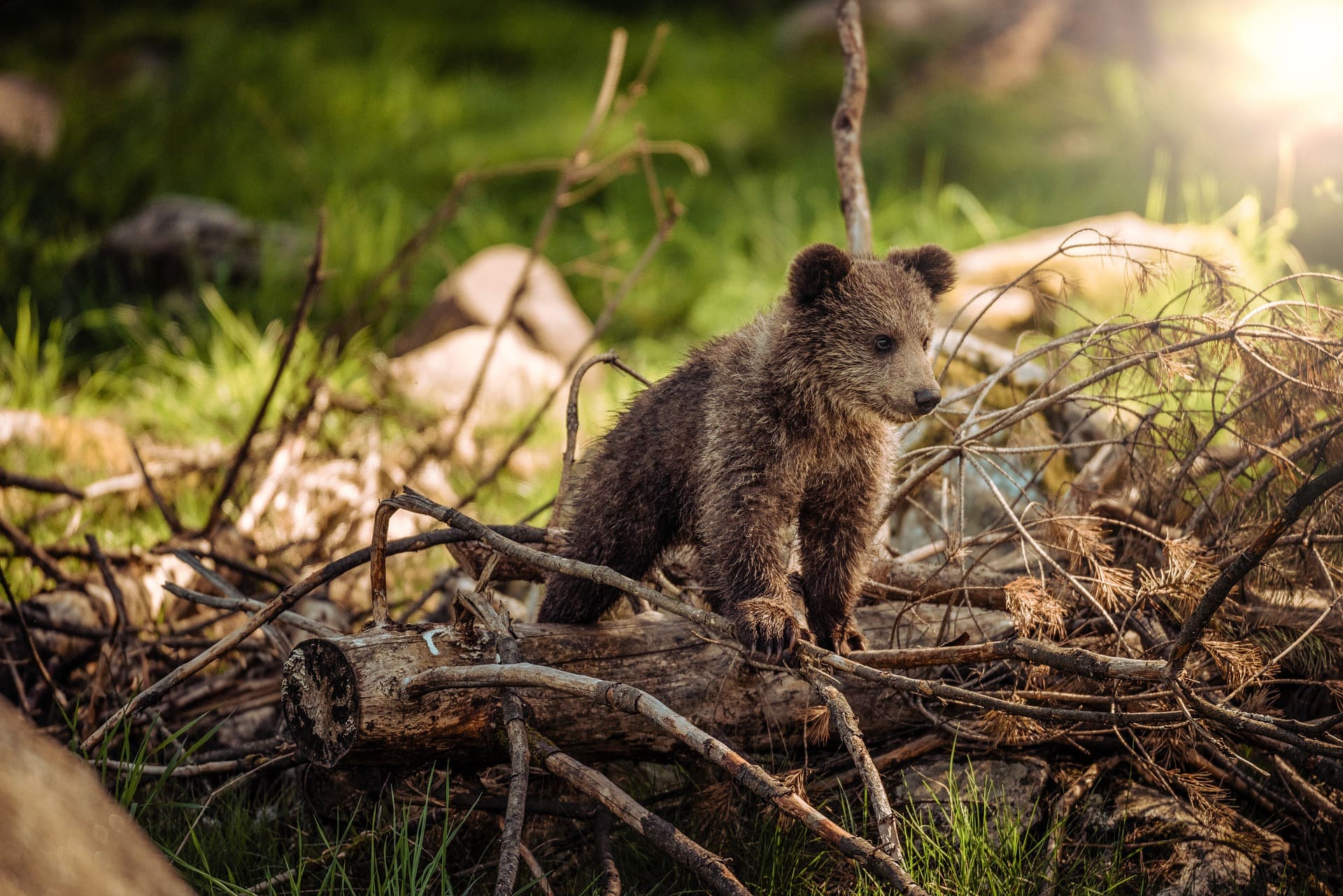
Romanian brown bears are primarily solitary animals, except during mating season or when a mother is raising her cubs. They are omnivorous, feeding on a diet that includes berries, roots, insects, and occasionally small mammals or carrion.
Ecotourism centered around Romanian brown bears provides economic benefits to local communities, encouraging the preservation of natural habitats. Visitors contribute to the local economy while learning about the importance of wildlife conservation.

Romanian brown bears play a vital role in the ecosystem by helping to control the populations of herbivores and dispersing seeds through their scat. Their presence is a sign of a healthy, functioning forest ecosystem.
Romania is home to one of the largest populations of brown bears in Europe, with estimates ranging between 6,000 and 7,000 individuals. This makes the Carpathian region one of the best places in the world to observe these creatures in their natural habitat.

During the autumn months, Romanian brown bears prepare for hibernation by consuming large quantities of food. This helps them build up the fat reserves they need to survive the long winter months when food is scarce.